Today’s Shingle Roof Is Not The One You Bought In 1998
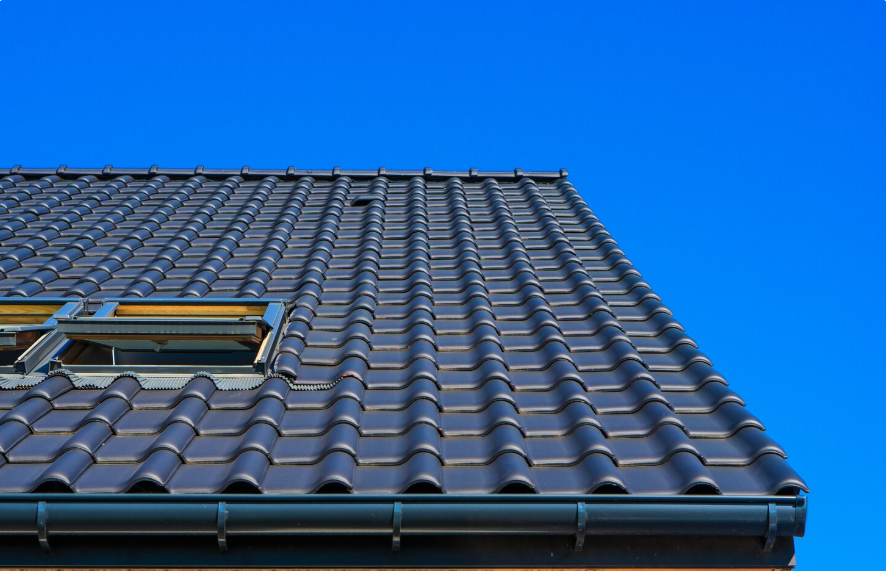
You bought a shingle roof in 1998. You bought another one around 2011, and now a third estimate is sitting on the kitchen table from a residential roofer Bradenton FL neighbors keep passing around. You are pricing this one the way you priced the first two, by the square, because a shingle is a shingle. That part stopped being true a while ago. Almost everything under the shingle changed, and the bid worth taking is the one that spells out underlayment, nailing and ventilation as a single assembly rather than a brand name and a color you liked.
Old Assumptions About Shingles Still Drive Bids
In the 1990s subdivisions around Bradenton, the ones full of 1,800 square foot single story ranch homes, the standard move is to collect three bids and take the middle one. Reasonable habit. Wrong tool for this particular purchase, because the line item everybody compares is the cheapest component in the whole system. This Old House reported in March 2026 that every major manufacturer, GAF, CertainTeed, Owens Corning, Atlas and TAMKO among them, put through price increases of 4-8% effective in spring 2026. On a ranch roof that shift moves the bottom line by a few hundred dollars. What moves it by thousands, twelve years down the road, is the work that happens between the tear-off and the first course of shingles.
Underlayment Now Does Most Of The Waterproofing
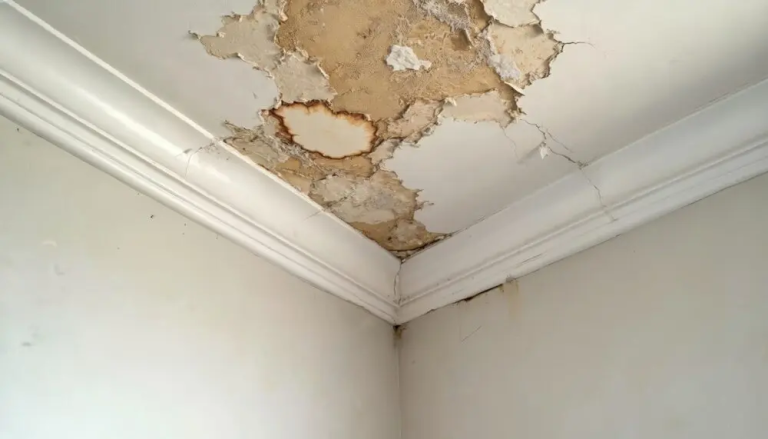
Back then the deck got 15 pound felt paper, stapled on, and its main job was keeping rain off the plywood until the shingles arrived that afternoon. Now the same layer is a synthetic sheet, mechanically fastened with capped nails, rated to sit exposed for weeks, and on a lot of Sarasota County jobs the deck seams get sealed underneath it so the plywood itself sheds water if shingles ever tear off in a storm. That is the honest then versus now of this trade. The shingle used to be the waterproofing and the felt was insurance; today the shingle is the wear surface and the layer beneath it is what decides whether you get a ceiling stain in the back bedroom. Florida’s roofing requirements tightened after the 2004 and 2005 hurricane seasons, and the specifics vary by county and by the date on your permit, so ask your contractor which secondary water barrier your job actually has to carry. The failure we see most often on a third roof is not a shingle that blew off. It is water that slipped past a tired valley and found nothing waiting for it.
Myth Every Nailing Pattern Is The Same
Ask a crew about nailing and you will get real shop talk, because a careful install separates itself from a fast one right here. Placement beats count. A nail driven above the manufacturer’s nailing strip grabs only the shingle it went through and leaves the course below free to lift in the first strong gust off the Gulf, which is the quiet reason a roof rated for high wind sometimes behaves like one that never was. Overdriven nails cut the mat. Underdriven nails leave a bump that telegraphs through the course above. Six nails per shingle instead of four is the high-wind pattern most Gulf coast jobs call for, and the extra fasteners themselves might run forty dollars across an entire ranch roof. Call it forty. Realistically it is closer to a hundred once you pay for the slower hands it takes to hit that strip on every single shingle.
None of it is visible once the ridge cap goes down. Which is exactly why it is the first thing a thin bid quietly drops.
Ventilation Decides Whether Shingles Reach Their Rating
A thirty year shingle is a laboratory number, earned under conditions your attic may not be offering. Intake at the soffits has to be balanced against exhaust at the ridge, and if the intake side is blocked, the exhaust vent just pulls conditioned air out of your house instead of hot air out of the attic. On these ranch homes the soffit vents are often painted shut, or stuffed with blown-in insulation that drifted forward over three decades. The attic then cooks the shingles from the underside all summer. Job after job in that neighborhood, the roofs that gave up early were the ones with a warm attic in October, and the granules told the story before the leaks did. Ventilation is also the part of a bid you can compare directly, since it shows up as a count of vents, a length of ridge and a note about whether the soffits get opened back up.
What A Real Install Week Looks Like
Day one is tear-off, and it is loud, dusty and faster than you expect. By that first afternoon the deck is bare, which is when surprises surface: soft plywood over the lanai, a nail pattern from 1998 that no longer meets anything, sometimes a layer nobody disclosed. Day two is dry-in, meaning underlayment, drip edge and valley metal, and in most of Manatee County an inspector looks at that stage before shingles cover it, though scheduling and requirements vary by jurisdiction so ask how your permit is being handled. Shingles and ridge cap usually land on day three or four on a house this size. Within 30 days you should have your warranty registration, the final inspection cleared and the photo documentation in hand. The first heavy August downpour is the actual test, and a good crew expects your call either way. One thing to be plain about: do not climb up to inspect the work yourself. Falls from roofs kill homeowners every year, so stay on the ground and ask for photos instead.
Buy The Assembly Not The Shingle Brand
Two estimates can name the identical shingle and describe completely different roofs. The one worth signing reads like a spec sheet: underlayment by product name, fastener count and pattern, valley treatment, flashing replaced rather than reused, vent count and soffit work, plus who handles the permit and the inspection. A residential roofer Bradenton FL homeowners keep recommending is almost always the one who volunteered that detail before anybody asked for it. Price still matters, and the middle bid may well win. Just make sure it won because of what is under the shingles, not because everyone assumed that part was the same as it was in 1998.