Prepping Like a Pro Surface Preparation Secrets for a Long-Lasting Paint Job

Slapping on paint is not enough for a flawless exterior. The secret hides beneath the surface. It’s the preparation. Proper surface prep separates amateurs from artisans. Without it, even the finest paint peels like old wallpaper.
So, what makes preparation so powerful? It’s the invisible muscle behind every stunning finish. This article pulls back the curtain on professional preparation behind exterior painting in Sydney. Whether you’re painting timber, brick, or metal—these secrets apply.
Let’s dig in.
The Golden Rule: Start with Cleanliness
Imagine painting over dust, spider webs, and grease. Sounds ridiculous, right? Yet many people do. Their final result looks decent for about a week. But after that, it’s a disaster in the making.
That is why professional painters begin with a canvas that is squeaky clean. No exceptions. No shortcuts.
The basic outline includes:
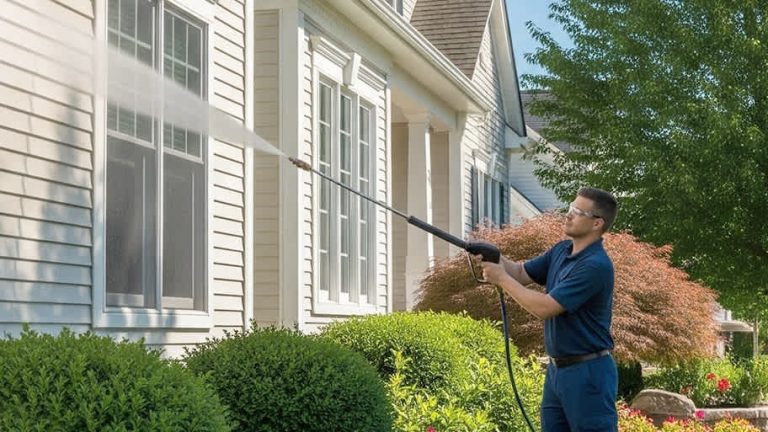
- Grab a pressure washer.
- Set it to a safe PSI—nothing too aggressive.
- Blast away grime, mould, and loose paint.
If mildew lurks, mix a solution using bleach and water. Spray it generously. Let it sit, then rinse. The result will be a surface that can breathe.
Moisture breeds disaster. So, wait at least 24 hours after washing. Only then should the next stage begin.
Scrape Like You Mean It
Old paint tells stories, so you must let them go.
Use a sturdy paint scraper with a comfortable grip. Position it at a shallow angle and apply steady pressure. Listen for that satisfying scrape. That sound means progress.
Make sure you don’t rush, as hasty scraping leaves hidden edges. Those edges peel later. Scrape until you see bare surface or tight-bonded paint.
Use a smaller blade around window frames. For intricate spots, a wire brush helps. It digs out stubborn chips with a fierce bite.
Sanding: The Secret Weapon
Scraping isn’t the end. Sanding refines. It smooths rough patches and prepares the canvas for its big moment.
Choose the right grit.
- For rough wood, begin with 80 grit.
- Move to 120 for a smoother touch.
- For metal, try 150.
- For masonry, use a sanding sponge.
- Use orbital sanders for speed and hand blocks for corners.
Sand until the surface feels even. Glide your palm across it. If it catches, keep going.
Dust follows sanding like a shadow. Don’t ignore it. Wipe it away with a tack cloth or use a vacuum with a brush attachment. A dusty surface sabotages your paint.
Filling Gaps and Holes
Inspect your surface like a detective and look for hairline cracks. Pay attention to old nail holes also, and examine joints. Once you do, try to fix them.
For timber:
- Use exterior-grade filler.
- Apply it with a putty knife.
- Press it deep and scrape off the excess.
- Let it dry.
- Sand it flat.
- Repeat if it shrinks.
For brick or concrete:
- Use a masonry patch.
- Fill generously.
- Trowel it smooth.
- Allow plenty of drying time.
Don’t forget caulking around windows and doors to seal gaps. This prevents water from seeping in and keeps the paint job healthy.
Consider using paintable caulk. Squeeze it into the gap and smooth it with a damp finger or caulking tool. Let it sit.
It makes all the difference.
Masking and Protecting
Use painter’s tape—not generic tape—to cover everything you want to protect. Painter’s tape peels off clean and won’t rip your finish.
Tape around windows, edges, trim, railings, and pipes. Lay drop cloths over bushes. Cover pathways with plastic sheeting. Shield light fixtures and even letterboxes. Take your time with this step, as neat prep prevents sloppy cleanup.
Priming: The Foundation of Endurance
Primer is not just a formality. It’s the anchor. It binds the paint to the surface, blocks stains, and evens the tone. It breathes life into the final coat. So, choose wisely.
- For timber, use oil-based or latex primers.
- For masonry, use acrylic.
- For metal, choose rust-inhibiting primer.
You can roll it or spray it, but don’t skimp.
Know Your Surface: Tailored Prep Tips
Timber
Wood swells, shrinks, and cracks. It’s alive—even when dead. So, you must be cautious when dealing with this type of surface. Remember to:
- Strip old paint if it’s flaking.
- Sand in the direction of the grain. Never against it.
- Apply wood preservative if rot is suspected.
- Fill knots. Seal with shellac. Prime thoroughly.
Paint loves smooth wood, but only if it’s dry. Moist wood spells disaster.
Brick and Concrete
Test for powdery residue—efflorescence—and clean it off with a vinegar solution. Then, rinse well. It will help you create a clean surface that can adhere to paint well.
Plus, avoid painting new concrete, as it can release moisture and lime. Wait 30 days minimum.
Use masonry primers. Choose breathable coatings. Apply in dry conditions.
Metal
Rust spreads fast. So, you must know to:
- Sand metal thoroughly.
- Wipe with mineral spirits.
- Use a rust converter for corroded patches.
- Always prime bare metal.
- Use anti-corrosion primer.
- Choose a topcoat made for metal surfaces.
Painting over rust? Don’t even think about it.
Weather Watch: Timing Is Everything
Heat. Cold. Wind. Rain. All can ruin your masterpiece.
So, ideally, you should paint early in the day and avoid the afternoon sun. Why? High heat causes blistering, while low temperatures cause poor adhesion. Check the forecast to find the perfect conditions for your exterior painting in Sydney.
- Choose calm, dry days.
- No rain for 24–48 hours is ideal.
- Humidity below 85% is best.
Conclusion: The Prep Is the Paint
Painting may earn glory, but preparation deserves praise.
A long-lasting exterior isn’t magic. It’s meticulous work. So next time you pick up a brush, pause and think like a pro. Your walls will thank you with years of beauty. For more help, feel free to contact the experts at Ausbrush.