Avoid These Common Mistakes in DIY Concrete Resurfacing
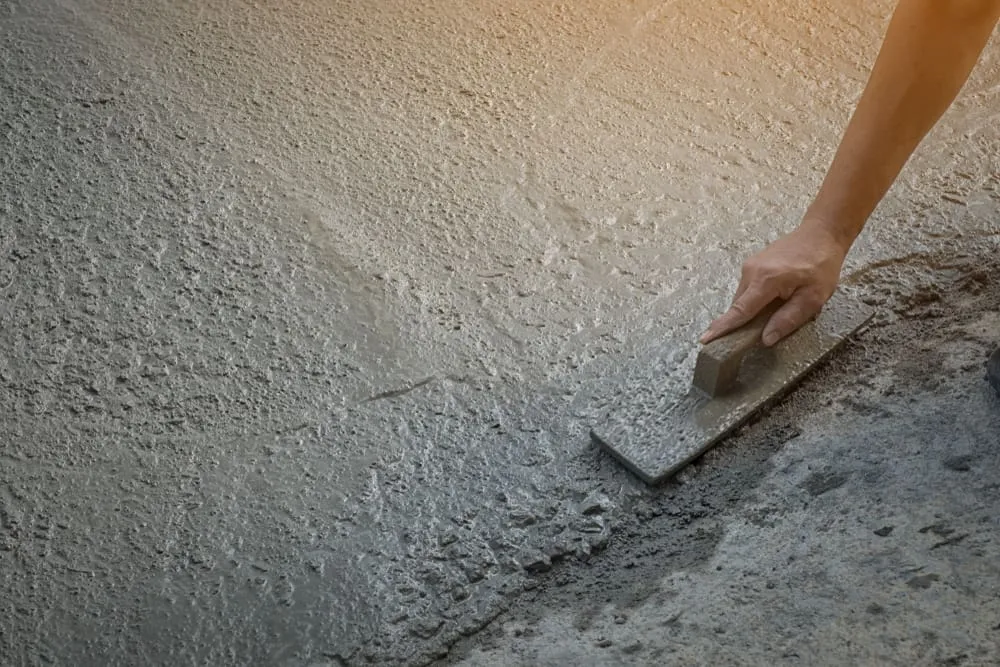
Concrete resurfacing sounds simple. Pour on a mix, spread it evenly, wait for it to dry—done, right? Not quite. This isn’t a job for the overly confident or the barely prepared. What appears like a weekend warrior’s dream project can swiftly spiral into a homeowner’s worst nightmare. Beneath the surface of this project lies a minefield of errors just waiting to trip up the unsuspecting.
If you plan concrete resurfacing in Geelong, tread carefully. Here are the most common missteps and how to sidestep them like a seasoned pro.
1. Ignoring Surface Preparation
This is the gravest offence. Most DIYers skip or rush the prep. They believe a quick sweep with a broom or a splash of water will suffice. Concrete doesn’t forgive laziness. If the surface is dirty, oily, flaky, or dusty, the resurfacer won’t bond.
The result? Peeling. Chipping. Flaking. Regret.
Before anything else, power-wash the slab. Use a degreaser if stains linger. Remove loose debris with a stiff-bristled broom. Grind down raised areas. Fill deep cracks. Every blemish must vanish before you begin. Think of it like painting a canvas—cleanliness is sacred.
2. Skipping Crack Repairs
Hairline cracks may look harmless, but they are not. These tiny fissures become deep scars if ignored. Concrete shifts. Weather changes. Moisture invades. Cracks expand. If resurfacing compound pours over untreated cracks, it fails. It masks the damage, not fixes it.
Use a concrete crack filler first. Inject it. Smooth it. Let it cure. Only after this step can resurfacing begin. Imagine sealing secrets into a diary. The cracks must be quiet before the overlay can settle.
3. Choosing the Wrong Product
All resurfacing products are not the same. Some are for light traffic, while others suit driveways. A few handle footpaths. Many aren’t meant for high loads. Picking the wrong mix is like wearing sandals to a snowstorm.
Always read the label. Study your project. Is it indoors or out? Will vehicles roll across it? Is it under constant sun? Buy the right blend for the job. Ask at your hardware store if you’re unsure. Don’t guess—concrete doesn’t play games.
4. Mixing Incorrectly
This mistake is shockingly common. Many beginners mix by feel. Some throw powder into water, and others add water until it “looks right.” This casual approach causes the mix to cure wrong. It might become brittle, or it might stay soft, or it might crack within weeks.
Always follow the manufacturer’s instructions. Use the correct ratio. Add powder to water, not the other way around. Mix in small batches. Use a drill with a paddle attachment. Stir until smooth and lump-free. Precision matters here.
5. Working Too Slowly
Concrete resurfacer is not patient. It starts setting within minutes. If you dawdle, it crusts over. If you hesitate, it dries mid-pour. The result? Lumpy texture. Uneven finish. Streaks and drag marks.
So, plan ahead and work in sections. Enlist a helper if needed. Mix only what you can apply in ten to fifteen minutes. Have tools ready. Timing is everything. Concrete rewards momentum.
6. Forgetting to Use a Bonding Agent
This mistake lies in the realm of invisibility. No one sees the missing bond until the resurfaced layer begins to peel. Some DIYers trust the resurfacing mix alone. They believe it sticks on its own. This is a tragic miscalculation.
Always apply a bonding agent if required by the product. Brush it on. Let it become tacky. Then pour the resurfacer. It acts like glue between old and new. Without it, your overlay lifts like a bad sticker.
7. Applying Too Thin or Too Thick
Layer thickness determines success. Too thin, and the surface shows through. Too thick, and it becomes unstable. People often slap on whatever the mix gives them. This leads to inconsistency.
Resurfacing typically needs a ⅛ to ¼ inch layer. Use a gauge rake or trowel to control depth. Stay consistent across the slab. Don’t eyeball it. Let measurements guide you.
8. Failing to Control Temperature and Moisture
Concrete has moods. It hates extremes.
If it’s too hot, it dries too fast. If it’s too cold, it refuses to cure. Humidity plays its tricks, too. Rain ruins everything. Sun scorches the mix. Wind whips it dry before you spread it.
Resurface only when the weather allows. Choose a dry, mild day. Shade your work if the sun is harsh. Never rush to finish before a storm. Weather can make or break your efforts.
9. Forgetting to Finish the Surface Properly
Some walk away once the mix is poured, while others smooth it out roughly. This mistake ruins the look and feel. Without proper finishing, your surface becomes rough or patchy.
Use a steel trowel or broom finish for traction. Add texture where needed. Let each section set slightly before finishing. A surface without care looks lazy. And once it dries, there’s no second chance.
10. Ignoring Curing Time
This one stings the most. You wait hours, but the surface looks dry. You walk on it. You park your car. Then, weeks later, cracks appear. Why? You didn’t let it cure.
Concrete needs time. Usually 24–48 hours before foot traffic. Up to a week before vehicles. Full strength may take a month. Respect this timeline. Don’t test it. Concrete is slow to harden but quick to punish.
11. Lacking the Right Tools
Some DIYers attack resurfacing with kitchen tools or with their bare hands. Without a proper squeegee, gauge rake, or trowel, the mix spreads unevenly.
So, invest in the right tools. Rent if you must. A mixing paddle, a long-handled squeegee, a float, and knee pads are essentials. A five-gallon bucket isn’t optional—it’s crucial.
12. Not Sealing Afterwards
You’ve resurfaced, but then, rain comes. Oil drips. Mould appears. Why? You didn’t seal the surface.
A sealer protects your work. It resists stains, deflects water, and adds shine. Choose a penetrating sealer or a topical one. Apply it once the surface has fully cured. Reapply every few years.
Final Thought: Concrete Remembers
DIY concrete resurfacing in Geelong? It’s no joke. It tests patience, demands accuracy, and rewards the prepared. Every shortcut you take today becomes a crack tomorrow. Every mistake you make now becomes regret later.
So, before you pour that first batch, pause. Then, study and prepare.
For professional work, we recommend contacting Premium Concrete Resurfacing. Good luck!