Designing Storage Systems That Transition From Indoors to Garage Spaces
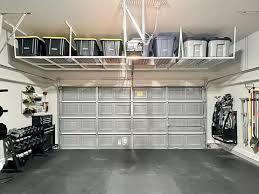
Creating a well-organized home goes beyond keeping individual rooms tidy. True efficiency comes from designing storage systems that flow naturally from one space to another. When indoor storage blends seamlessly into garage organization, the result is a cohesive system that supports daily routines while maximizing every available inch. A thoughtful approach ensures that both living areas and utility spaces work together rather than feeling disconnected.
The Connection Between Indoor and Garage Storage
Many homes treat indoor spaces and garages as separate worlds. Inside, storage is often carefully designed with aesthetics in mind, while the garage becomes a catchall for overflow. This imbalance leads to clutter and inefficiency. A better approach is to view the entire home as a unified system where storage solutions complement each other.
For example, items that are used frequently indoors but stored in the garage, such as cleaning supplies, seasonal decor, or sports equipment, should have clearly defined zones. This reduces the need for constant back-and-forth movement and keeps everything accessible without disrupting organization.
Designing Indoor Foundations That Extend Outward
Every effective system begins indoors. A well-planned closet creates a structured environment where items are categorized, easy to access, and visually organized. This foundation sets the tone for how storage should function throughout the rest of the home.
When designing indoor storage, it is important to consider how items transition to other areas. Seasonal clothing, rarely used appliances, or hobby supplies may eventually move into the garage. By grouping and labeling these items early, it becomes easier to maintain consistency when expanding storage beyond the home’s interior.
Bridging the Gap Between Spaces
The transition between indoor areas and the garage should feel intentional. This can be done by making a buffer zone in a place like the mudroom, laundry room, or entrance. These spaces act as connectors, allowing items to move smoothly between environments.
Storage in these transitional areas should reflect both indoor organization and garage practicality. Hooks, shelves, and bins can help manage items like shoes, tools, and outdoor gear. This reduces clutter inside the home while preventing the garage from becoming disorganized.
Bringing Structure to the Garage
A garage should function as an extension of the home rather than a separate storage zone. Installing a custom garage cabinet system introduces the same level of order and accessibility found indoors. Cabinets, drawers, and wall-mounted units keep tools, equipment, and supplies neatly arranged while protecting them from dust and damage.
The key is to mirror the organization style used inside the home. If indoor storage relies on labeled compartments and categorized sections, the garage should follow a similar pattern. This consistency makes it easier to locate items and maintain order over time.
Prioritizing Flexibility and Adaptability
Storage needs evolve as lifestyles change. A system that works today may require adjustments in the future. Designing with flexibility in mind ensures that both indoor and garage spaces can adapt without requiring a complete overhaul.
Adjustable shelving, modular units, and multi-purpose storage solutions allow homeowners to reconfigure spaces as needed. This is especially important in garages, where storage demands can shift due to new hobbies, tools, or seasonal activities.
Balancing Function and Aesthetics
While functionality is essential, visual consistency also plays a role in creating a unified storage system. Choosing similar materials, colors, or finishes for indoor and garage storage can create a sense of continuity. Even though the garage is a more practical space, maintaining a clean and cohesive look enhances the overall feel of the home.
A well-designed system does not just store items. It creates an environment where everything has a place, reducing stress and improving efficiency in daily life.
Creating a Seamless Storage Experience
Designing storage systems that transition from indoors to garage spaces requires planning, consistency, and attention to detail. By starting with a strong indoor organization, building transitional zones, and extending those principles into the garage, homeowners can achieve a truly connected system.
The result is more than just an organized home. It is a space where movement feels natural, clutter is minimized, and every area works together to support a more functional and balanced lifestyle.