The Tree Above Your New Patio Needs a Maintenance Plan Too
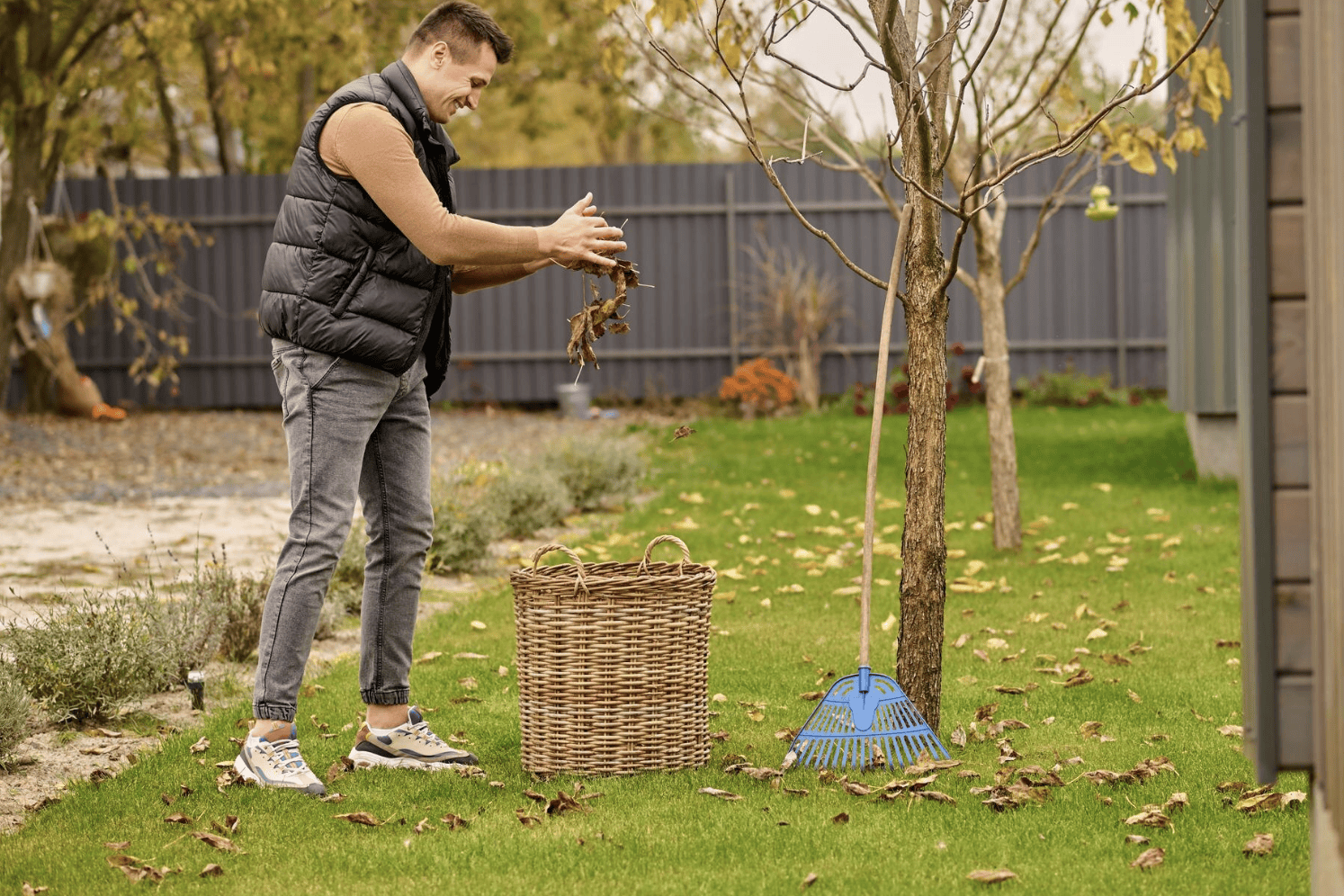
A finished backyard in an Allegheny County suburb runs well into the mid four figures, and the paver patio eats most of it. The 60 foot silver maple standing over that same patio never cost a dime. That imbalance is why homeowners who just wrapped an outdoor living project go looking for tree maintenance pittsburgh pa two summers later. Usually the call comes right as the edge course starts lifting out of line. The argument is simple: a mature shade tree needs an upkeep schedule of its own, and paying for one costs less than rebuilding the hardscape underneath.
New Hardscape Puts Old Root Zones Under Stress
Patio construction is really just excavation with a nice finish laid on top of it. Four to six inches of compacted gravel goes exactly where a maple’s feeder roots have spent forty years spreading, and some get cut. The tree rebuilds them somewhere else, often straight under the new pavers, because roots go where the water is and they do not care what you paid for the base. In practice, what we see most often is not a dramatic failure but a slow one. An edge course nudges half an inch out of line, one corner settles, a hairline crack starts tracking toward the trunk. Grade changes do quieter damage, since screening piled against the root flare, the spot where the trunk widens into the ground, traps moisture against dry bark.
The Canopy Checks Worth Running Every Year
An annual walk around a tree like this one covers just four things. Deadwood comes first, because any gray, bark free limb thicker than two inches will come down on its own schedule. Second are the points where two large stems of similar size meet, since those unions split far more often than a single trunk does. Third is the soil and mulch piled up against the flare itself. Fourth is the ground out at the edge of the canopy, where mushrooms or a sunken patch usually mean something below is failing.
That second check is the one where a structural pruning plan earns its money. A study in the journal Arboriculture and Urban Forestry pruned 48 live oaks at severities of 0, 25, 50 and 75 percent. The authors reported the largest change in the diameter ratio between codominant stems at that 75 percent level, which points toward a union that holds together far better over the decades still to come. Translated for a backyard, you take growth off the weaker of two competing stems over several seasons so the stronger one wins. Work like this is the core of what tree maintenance pittsburgh pa crews handle in late winter, when a bare canopy shows the whole architecture.
One rule here carries no flexibility, and it is worth stating plainly. Stay off the ladder and out from under the limbs while you are sizing up a 60 foot tree. Never prune anything near the overhead service drop feeding your house, because that work belongs to a qualified, insured arborist. The Consumer Product Safety Commission advises keeping a ladder at least twice its own length from the nearest overhead line while trimming trees, painting, or cleaning gutters. On a typical suburban lot, that rules the ladder out entirely.
Does the whole patio have to come up to fix root problems?
Usually not, which tends to surprise homeowners who are bracing for the worst. An arborist and a hardscape contractor can often lift one section, prune the offending root back safely, and reset the pavers over a barrier. Full teardowns happen when the gravel base has failed across a wide area, not just one corner.
How often does a mature shade tree really need looking at?
Once a year is plenty for a healthy tree standing over a finished patio. Trees with a history of splitting, existing cabling hardware, or fresh construction damage do better on a six month cycle. Anything showing a new crack or a sudden lean gets looked at that week, not next season.
Scheduled Care Costs Less Than Rebuilding Patios
Run the numbers before deciding the maple can wait. Cost data compiled in June 2026 by HomeAdvisor puts a professional trimming job between $270 and $1,800. The reported average sits near $460, and the biggest trees on that list reach $2,000. Set that against the patio underneath, where relaying one settled section climbs into the high hundreds by itself. A full rebuild puts you back at the mid four figure number you already paid once. Even at the top of that trimming range, one visit a year is the cheaper line.
A good plan is boring. Someone qualified looks at deadwood, the stem unions and the flare once a year, prunes what needs it, and usually tells you the tree is fine. Add the canopy to the upkeep list the same way you added the sealer, and the money already spent out back holds its value.