Pour the Driveway Before the Listing Photos, Not After the Inspection
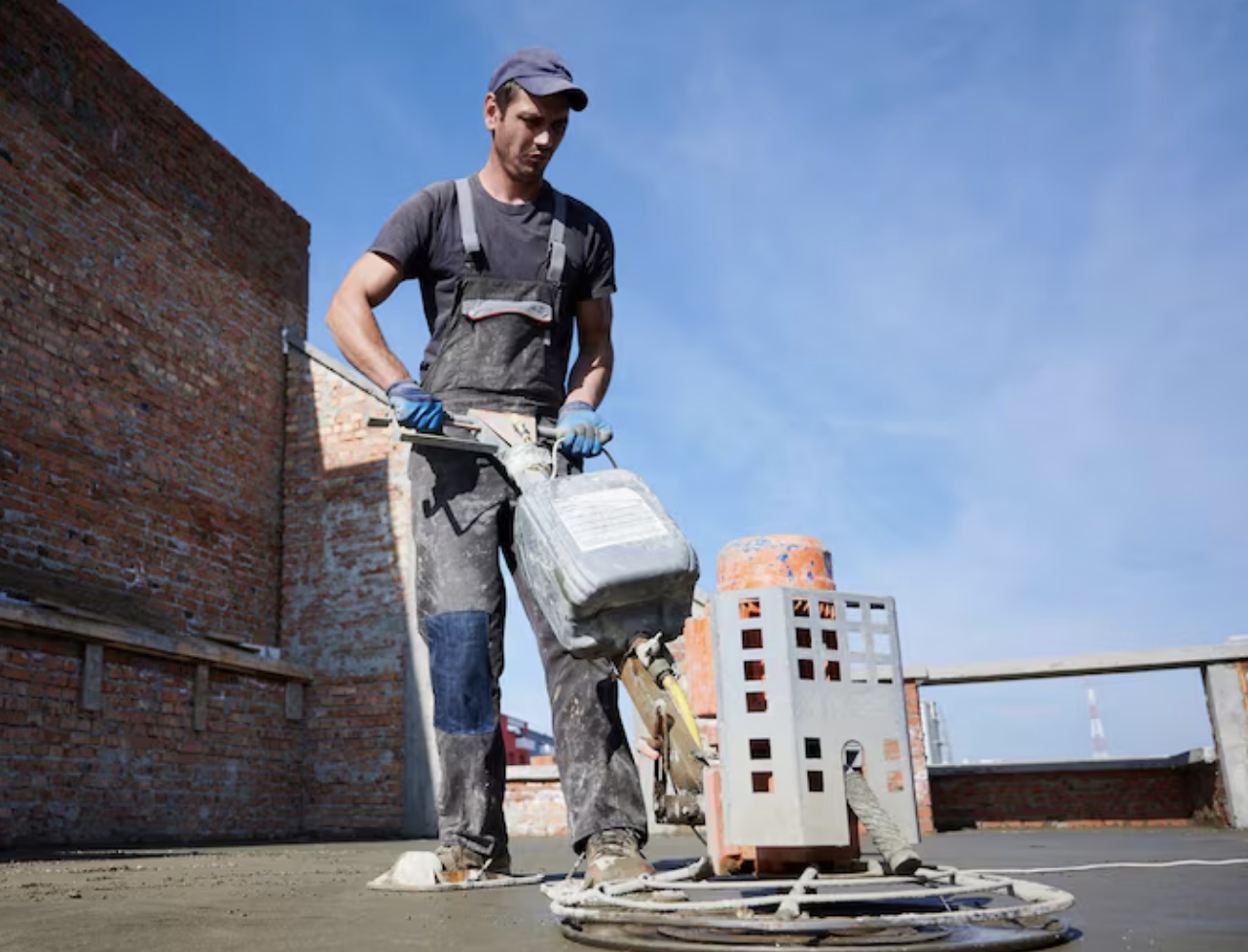
An agent named Dana called me on a Tuesday in April, two days before her seller was supposed to go live. The house was a 1960s split-level in Bucks County priced in the mid $400s, and the listing photos had already been shot. In the wide shot the driveway read as a gray map of cracks running the full width of the apron, which is the kind of detail that sends sellers hunting for concrete contractors southampton pa about a month later than they should have. Dana wanted to know if we could pour by Friday. We could not, and I told her so.
Here is the argument stated plainly, because it gets buried under everything else a seller is juggling in the spring. Tearing out and repouring a bad driveway before the photos are taken costs less than the credit a buyer will negotiate after the inspection. The work shows up in every photo of the front of the house, it prices out inside a normal pre-listing budget, and it is finished and cured before anyone walks the property. Sellers hate spending real money on a house they are leaving. I get it. It is still the cheaper side of the trade.
Most Sellers Call Us Two Weeks Too Late
Concrete cures on a fixed schedule and no amount of urgency changes it. A fresh slab wants roughly a week before you park anything heavier than a bicycle on it, and close to a month before it reaches the strength it was designed for. Add a permit in some townships, add a couple of rain days in April, and the honest span from signed estimate to a driveway worth photographing runs a few weeks in the busy season. The case we see most often is a seller who budgeted for fresh paint and new mulch and left the flatwork alone, figuring it was cosmetic. It stops being cosmetic the moment an inspector writes it down.
What I cannot tell you is how much of a typical price concession traces back to the driveway specifically. Nobody I know tracks that number, and the credit at the closing table usually arrives as one lump figure covering the water heater and whatever else the report flagged. I have asked agents outright. Their guesses land all over the place, from a few hundred dollars to most of the concession. So treat the arithmetic further down as what the work costs, not as a promise about what a seller gets back.
Buyers Judge the Driveway Before the Door
A buyer forms an opinion in the first ten seconds, and in a suburban neighborhood those seconds are spent walking across your concrete. Concrete tells on a house. A spalled, stained apron with weeds growing out of the joints reads as deferred maintenance, and the buyer starts pricing the roof and the furnace in that same key before they ever reach the front door. Then the inspection report puts language to the feeling, and words like trip hazard or negative pitch toward the foundation turn a vague impression into a line item. Line items get negotiated.
A seller two townships over went to market last spring with a front walk that had heaved about an inch and a half at the third joint. The offer came in strong, then came back after the inspection with a $4,500 request for the flatwork and a paragraph about the trip hazard. She ended up paying $2,600 to have it done right after closing, for the buyer, on a house she no longer owned. Timing is the whole game here, and the concrete contractors Southampton PA homeowners actually trust will tell you the same thing in blunter words.
What One Split-Level Seller’s Repour Actually Cost
Dana’s seller pushed the listing back two weeks, which was the smartest decision anybody made in that transaction. We demoed on a Monday and poured on a Thursday. The photographer came back the following week to a driveway and walk that no longer needed a wide angle and good luck to look decent.
Run the arithmetic on that job as an example scenario. The apron measured three cars wide and about 24 feet deep, call it 720 square feet, and at $9 a square foot for tear-out and a new four-inch pour over wire, that side of the job comes to $6,480. The front walk ran 40 feet at four feet wide, another 160 square feet, and walkway work prices higher per foot because there is more edge work and less machine time, so at $11 a square foot it lands at $1,760. Hauling the broken slab off in a dumpster added $850. Total on that scope: $9,090 all in. I have seen the same footprint quoted in the low four figures for a patch and seal and just under $10,000 for a full replacement, so the spread depends almost entirely on whether you are fixing the surface or replacing the slab. Against a buyer asking for a five-figure credit, the repour stops looking like the expensive option, and financing plans starting near $500 a month mean a seller carries a few payments and settles the rest out of the proceeds.
Book the Concrete Before the Photographer
Get the estimate before you hire the photographer, not after the inspector leaves. A January 2026 cost guide from Concrete Network puts the total cost of a concrete driveway between $3,200 and $13,000 nationally, a range wide enough that whatever a neighbor paid five years ago tells you nothing useful about your own apron. Ask for square footage written on the quote and ask what the crew is doing about the base underneath, since a slab poured over the same soft subgrade that cracked the last one will crack again on the buyer’s watch. A 3D rendering helps here too, mostly because it settles the argument about finish and color before the truck shows up rather than after.
The sequence that works is boring and it never changes. Measure and quote in late winter, demo and pour early enough that the slab has cured, then shoot the photos, then list. Sellers who run it in that order spend a known number on their own terms. Sellers who run it backward spend an unknown number on the buyer’s terms, at a table, with everyone watching the clock. One of those is a home improvement and the other is a discount.


