How to Prevent Water Damage in Your Massachusetts Home: Proactive Strategies and Local Tips
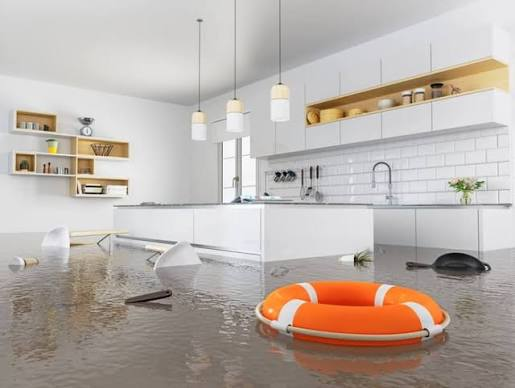
Water damage is one of the leading causes of property loss in Massachusetts, driven by a combination of harsh winter freezes, spring thaws, and heavy rains. Homeowners throughout the state are often faced with costly repairs and major disruptions to daily life as a result of water-related issues. Fortunately, residents can take proactive steps to prevent such damage and maintain home safety. Understanding seasonal vulnerabilities and local conditions, as well as leveraging resources like emergency plumbing services in Massachusetts, are crucial for keeping water at bay.
With historic homes, fluctuating coastal and inland climates, and aging infrastructure, Massachusetts properties are particularly susceptible to plumbing leaks, burst pipes, and flooding. By following a combination of proven strategies, regular maintenance, and technology-forward solutions, homeowners can protect their investments and avoid unnecessary headaches.
Regular Inspections and Maintenance
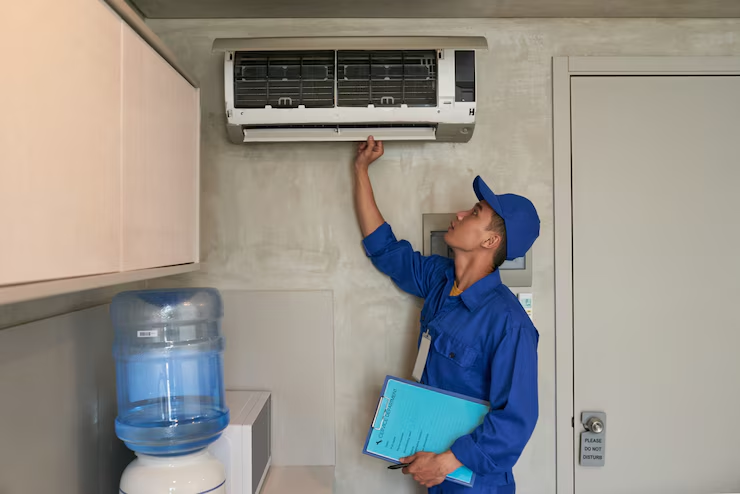
Massachusetts homeowners should perform scheduled checks throughout every season, especially before the winter freeze and after spring melts. Examine basements, crawl spaces, attics, and exterior walls for pooled water, dampness, mold, or mildew. Pipes located along exterior walls or in unheated areas are particularly vulnerable to freezing during cold snaps, which can lead to bursts and severe leaks. Taking time to check under sinks, around toilets, and behind major appliances for even small leaks can prevent expensive structural repairs. Locally, the Massachusetts Emergency Management Agency recommends regular home assessments to reduce flood risk and promote homeowner readiness.
In addition to these recommendations, it is important for homeowners to establish a maintenance log. Keeping detailed records of all inspections, repairs, and upgrades not only ensures that critical tasks are not missed but also provides a valuable reference in the event of insurance claims or property resale. Simple seasonal checklists, covering gutter cleaning, sump pump testing, and inspection of roof flashings and seals, can help homeowners quickly spot trouble areas. Additionally, enlisting the help of local contractors for an annual assessment can bring fresh eyes and professional insights that DIY efforts might overlook.
Utilizing Smart Technology for Leak Detection
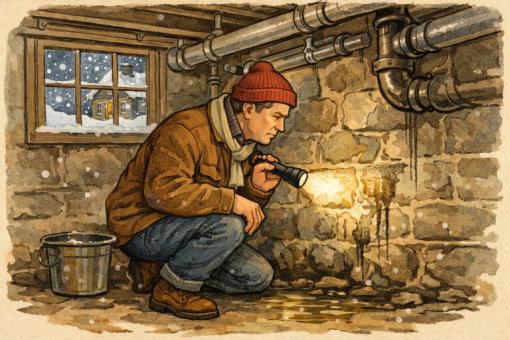
Innovative smart leak detectors and water shutoff devices can monitor for leaks and moisture around the clock. Products like LeakBot and water sensors integrated with home security systems provide instant alerts via smartphone apps. This real-time notification can help Massachusetts homeowners respond immediately, whether at home or away. Quick response is essential, as even a few hours of unnoticed leakage can cause extensive floor, wall, and foundation damage. These devices are especially valuable in vacation destinations like Cape Cod or the Berkshires, where homeowners may not be present year-round.
Homeowners who choose smart technology benefit from detailed data and analytics about their home’s water usage, allowing for prompt detection of unusual spikes or slow leaks. Some advanced systems can even automatically shut off the water supply if a major leak is detected, potentially saving thousands of dollars in restoration costs. When considering these systems, it’s wise to look for compatibility with existing smart home ecosystems for seamless monitoring and maintenance. Ultimately, integrating technology into your water damage prevention plan increases peace of mind, especially during harsh weather or extended absences.
Proper Appliance and Plumbing Maintenance
Massachusetts homes depend heavily on appliances such as washing machines, dishwashers, and water heaters, especially during the colder months. Regularly inspect and maintain these systems to extend their lifespan and minimize risk. Replace washing machine hoses every five years, and consider using steel-braided hoses for added strength. Water heaters should be checked annually for corrosion or leaks. In addition to routine checks, hiring a qualified plumber for annual system inspections ensures early detection of weaknesses and compliance with state and local codes.
Beyond basic inspections, consider upgrading to ENERGY STAR-rated water appliances, which are designed for efficiency and added safety controls. Professional maintenance can include pressure testing pipes and drains to check for vulnerabilities before they become emergencies. Inspections should extend to outdoor plumbing, irrigation systems, and hose bibs—areas often overlooked but highly susceptible to Massachusetts’ freeze-thaw cycles. Promptly addressing any small leaks or signs of rust can prevent cascading failures throughout the plumbing system. Additionally, maintaining clear access to shut-off valves and teaching family members how to use them can minimize damage if a leak occurs unexpectedly.
Understanding Insurance Coverage for Water Damage
Massachusetts residents should carefully review their homeowner’s insurance policies to fully understand what types of water damage are covered. Many standard policies include sudden and accidental discharge of water, but may exclude damage resulting from gradual leaks or external flooding. Given the state’s history with coastal storms and inland flooding, it may be wise to consider additional flood insurance, which can be secured through the National Flood Insurance Program or private insurers. Documenting proactive maintenance and keeping records of upgrades can also support insurance claims, should a water damage event occur.
When shopping for insurance or reviewing policy terms, consult with a local agent who understands the unique climate challenges faced by Massachusetts residents. Ask specific questions about exclusions, loss settlement provisions, and claims processes. Remember, flood insurance policies generally have a 30-day waiting period before coverage begins, so advance planning is crucial. In case of a claim, thorough documentation with dated photos, receipts, and inspection logs can make a significant difference in successful reimbursement and timely repairs. Contact your insurer annually to verify that coverage amounts reflect current repair and rebuilding costs in your area.
Conclusion
Water damage prevention is particularly important in Massachusetts, where varied weather patterns and older building stock increase the risk of leaks and flooding. By performing regular inspections, using advanced detection technology, keeping up with all appliance and plumbing maintenance, and staying informed about insurance, homeowners can reduce risks and avoid costly repairs. For peace of mind and added protection, local services like emergency plumbing services in Massachusetts provide vital support when the unexpected happens. Advance preparation, vigilance, and leveraging local resources will keep your home safe for years to come.
Staying proactive about water damage also helps preserve a home’s value and the structural integrity of cherished Massachusetts properties. New England weather is unpredictable, and by investing the time and resources into damage prevention now, homeowners can enjoy their properties with fewer worries and less risk of stressful surprises. Whether you’re a new homeowner or a long-time resident, keeping water at bay is a smart investment in your home’s future, your family’s comfort, and the enduring beauty of Massachusetts neighborhoods.