What Should You Look for When Choosing a TV Stand for Your Living Room?
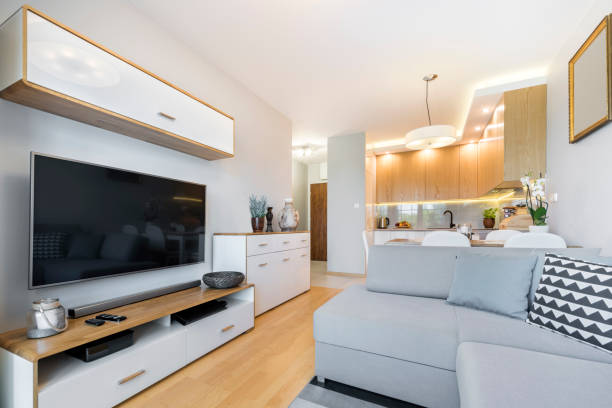
The living room is often the heart of a home, a place for gathering, relaxing, and entertaining. At the center of it all is usually the television, and the right furniture piece to support it makes a big difference. TV stands are more than just functional—they also enhance style, improve organization, and create balance in the space. With so many designs, sizes, and materials available, choosing the right one can feel overwhelming. By focusing on a few essential factors, you can select a TV stand that perfectly fits both your living room and your lifestyle.
Consider the Size of Your TV and Room
One of the first things to evaluate is the size of your television and the proportions of your room. TV stands should be wide and sturdy enough to support your screen safely. A stand that’s too small may create stability issues, while one that’s too large could overwhelm the space.
For balance, designers often recommend that the stand be a few inches wider than the television. This not only improves stability but also creates a pleasing visual frame for the screen. Additionally, think about the layout of your room—compact stands work best in smaller spaces, while larger entertainment centers suit open-concept living rooms.
Functionality and Storage Options
TV stands are not only about holding your screen; they can also help keep your living room organized. Many come with built-in shelves, cabinets, or drawers for storing media players, gaming consoles, and even decorative items. If you have a lot of electronics, look for stands with adjustable shelving and cable management systems to reduce clutter.
Some designs feature closed cabinets that hide equipment, while others have open shelving for easy access. The choice depends on whether you prefer a minimalist look or a display-friendly setup.
Style and Aesthetic Appeal
Since the TV stand often becomes a focal point in the living room, its style should match the overall décor. TV stands come in a variety of designs, from sleek and modern glass units to rustic wood pieces with farmhouse charm.
If your space is contemporary, you might prefer a minimalist stand with clean lines and a neutral finish. Traditional spaces often benefit from wood stands with rich tones and detailed craftsmanship. The goal is to select a piece that complements the furniture and enhances the room’s aesthetic.
Material and Durability
The durability of TV stands depends largely on their materials. Solid wood, metal, and tempered glass are common options, each with its own strengths. Wood offers warmth and longevity, metal provides a modern industrial edge, and glass gives a sleek, airy feel.
When choosing a material, consider not only the look but also the functionality. Families with children or pets may want sturdier, more durable materials like hardwood or metal, which can better withstand daily use.
Features to Look For
When narrowing down your options, consider these important features:
- Cable management: Keeps wires organized and out of sight
- Ventilation: Ensures electronics don’t overheat inside cabinets
- Adjustable shelving: Accommodates equipment of various sizes
- Mobility: Some TV stands come with wheels for easy rearranging
- Mounting options: Certain stands include mounts for a cleaner look without wall installation
These features add convenience and functionality, making your TV stand a long-term solution for your home.
Height and Viewing Comfort
Another important factor is the height of the TV stand. Ideally, the middle of the screen should be at eye level when you are seated. Too high or too low can strain your neck and reduce viewing comfort.
Measure your seating area and determine the best height for the television. Adjustable TV stands or those with multiple shelving levels provide flexibility if you expect to change furniture arrangements in the future.
Room Layout and Placement
Your room’s layout also influences your choice. Corner TV stands work well in smaller spaces where saving floor area is important, while wide, linear stands look great along a main wall. If your living room is used for multiple purposes, such as entertaining and working, a versatile stand with storage and design flexibility will be more useful.
Consider natural lighting as well—placing the television and stand opposite large windows may cause glare, reducing your viewing experience.
Budget and Value
TV stands are available at many price points, from budget-friendly to high-end designer pieces. While it’s tempting to choose the least expensive option, remember that durability and functionality are just as important as price. A higher-quality stand often lasts longer, provides better storage, and adds more value to your living room design.
Think of the purchase as an investment that balances style, performance, and longevity.
Conclusion
Choosing the right TV stand is about more than just picking furniture—it’s about creating a comfortable, stylish, and functional living room. From considering the size of your television and the durability of materials to evaluating storage, features, and overall design, each detail contributes to the perfect fit. TV stands not only support your screen but also bring organization and harmony to the space.
By carefully weighing your needs, style preferences, and budget, you’ll find a stand that enhances your living room for years to come. In the end, the right choice combines practicality with beauty, ensuring your living room remains both welcoming and functional.