The Tuba: Guide to Music’s Deepest Brass Instrument
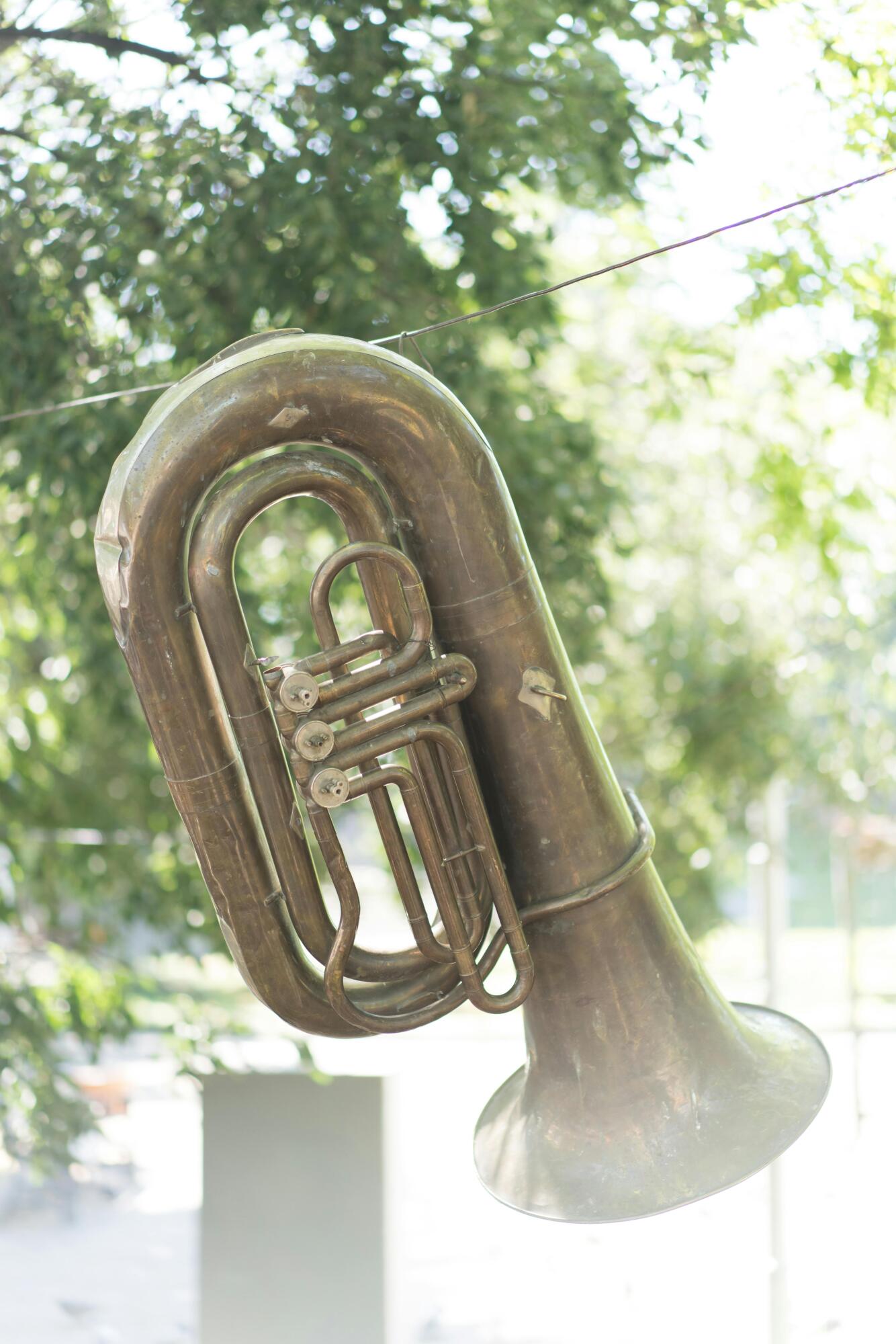
The tuba holds a place that no other instrument can claim. Its deep tones pull listeners in with a sense of power. Every note speaks with a voice that feels grounded and strong.
People often stop and listen when the tuba takes the stage. Its sound does not whisper but speaks with presence. The tuba is more than music; it is an experience.
In this blog, we will discuss the rich sound of the tuba, its role in orchestras and bands, and tips for choosing and playing this powerful brass instrument. Read on!
Tracing the History of the Tuba
The tuba was first created in the mid-1800s. It grew from earlier brass instruments that could not reach the same depth of tone. Over time, the tuba became a staple in orchestras and bands around the world.
Early versions of the tuba looked different than the ones seen today. They often had fewer valves and a limited range of notes. Musicians and makers worked together to improve its design over the years.
By the late 19th century, the tuba had spread through Europe and beyond. Composers began writing music that highlighted its rich, full sound. Today, the tuba stands as one of the most recognized brass instruments in music history.
The Unique Sound That Sets the Tuba Apart
The tuba’s sound is unlike any other brass instrument. Its low register can fill a space with a tone that feels wide and heavy. This quality allows the tuba to anchor music with strength.
Composers use the tuba when they need depth in a musical score. It supports higher-pitched instruments by providing balance. Without it, music would often feel thinner or incomplete.
The tuba can also surprise listeners with its range of expression. While known for power, it can play softer passages that carry warmth. This mix of strength and sensitivity gives the tuba a special role in music.
How the Tuba Shapes Orchestral Music
In the orchestra, the tuba often carries the foundation of the brass section. Its notes form the base on which trumpets, horns, and trombones can build. This structure adds balance to the entire group.
Composers write parts for the tuba that are more than just background. It can step forward with solo lines that show its unique voice. These moments reveal the depth and artistry of the instrument.
Audiences often notice the fullness that the tuba adds, even if they cannot pick out every note. Its presence can change the entire color of a piece. This makes the tuba essential in the orchestral world.
The Tuba’s Role in Marching and Concert Bands
Marching bands use the tuba for its strong sound that can project outdoors. It helps keep the rhythm steady and guides other players. Without the tuba, the balance of the band would often feel weak.
Concert bands also rely on the tuba for its tone. Its ability to blend with woodwinds and percussion makes it versatile. This allows it to hold an important role across many styles of music.
In both settings, the tuba adds richness and depth. Whether moving through city streets or playing on stage, its sound cuts through clearly. The tuba ensures that bands carry strength in their performances.
Key Types of Tubas Every Player Should Know
There are several main types of tubas that musicians use. The most common include the BBb, CC, Eb, and F tubas. Each type has a distinct pitch and use in music.
The BBb tuba is often used by beginners and in school bands. The CC tuba is more common among advanced players and orchestras. Eb and F tubas are often chosen for solo work and chamber groups.
Each type of tuba fits different needs depending on the music. Choosing the right one depends on skill, purpose, and setting. These options give musicians flexibility and variety in performance.
Essential Tips for Beginners Learning the Tuba
Starting on the tuba requires patience and practice. New players need to become comfortable with its size and weight. Focus on steady progress rather than rushing.
Simple exercises help build strength and control. Regular practice helps players learn how to shape notes clearly. Staying consistent leads to steady improvement over time.
Beginners should also listen to recordings of skilled tuba players. Hearing different styles can inspire and guide learning. Exposure to professional playing sets a clear model to follow.
Breathing and Posture for Strong, Steady Notes
Good breathing is vital for playing the tuba. Deep breaths allow air to flow smoothly through the instrument. This creates notes that sound rich and steady.
Posture also matters when playing. Sitting or standing tall keeps the airway open. This helps players control airflow and produce clear tones.
With both posture and breathing in place, the tuba responds better. Players find it easier to hold long notes without strain. These habits are key to developing strong performance skills.
Choosing the Right Tuba for Your Style and Budget
Selecting a tuba requires knowing your musical needs. Some players want a model suited for band use, while others prefer one made for orchestras. Matching the tuba to your goals makes the process smoother.
Budget plays a role in every choice. A student may start with an affordable model, while professionals invest in advanced designs. Exploring different options helps buyers find the best fit.
For those seeking reliable performance, quality tubas are worth the search. Checking how each brand supports design and durability makes the decision easier. A careful choice ensures that the tuba matches both style and purpose.
Caring for and Maintaining Your Tuba
Every tuba needs regular care to stay in good shape. Cleaning the mouthpiece and valves helps the instrument sound clear. Skipping these steps often leads to problems over time.
Storage also matters in protecting the tuba. Keeping it in a sturdy case prevents dents and scratches. This ensures the instrument stays ready for practice and performance.
Players who care for their tubas notice the difference. A well-kept instrument responds better and lasts longer. Consistent maintenance supports years of strong playing.
Deepest Brass Instrument: Embracing the Depth of the Tuba
The tuba stands as a voice of depth in music. Its sound brings weight and meaning to every performance. Each note carries a presence that no other brass instrument can replace.
Musicians and listeners continue to be moved by its power. The tuba invites people to explore music with fresh ears. Take the step to discover its sound and let it shape your musical journey.