The Rideshare App May Not Be Paying Your Hospital Bill
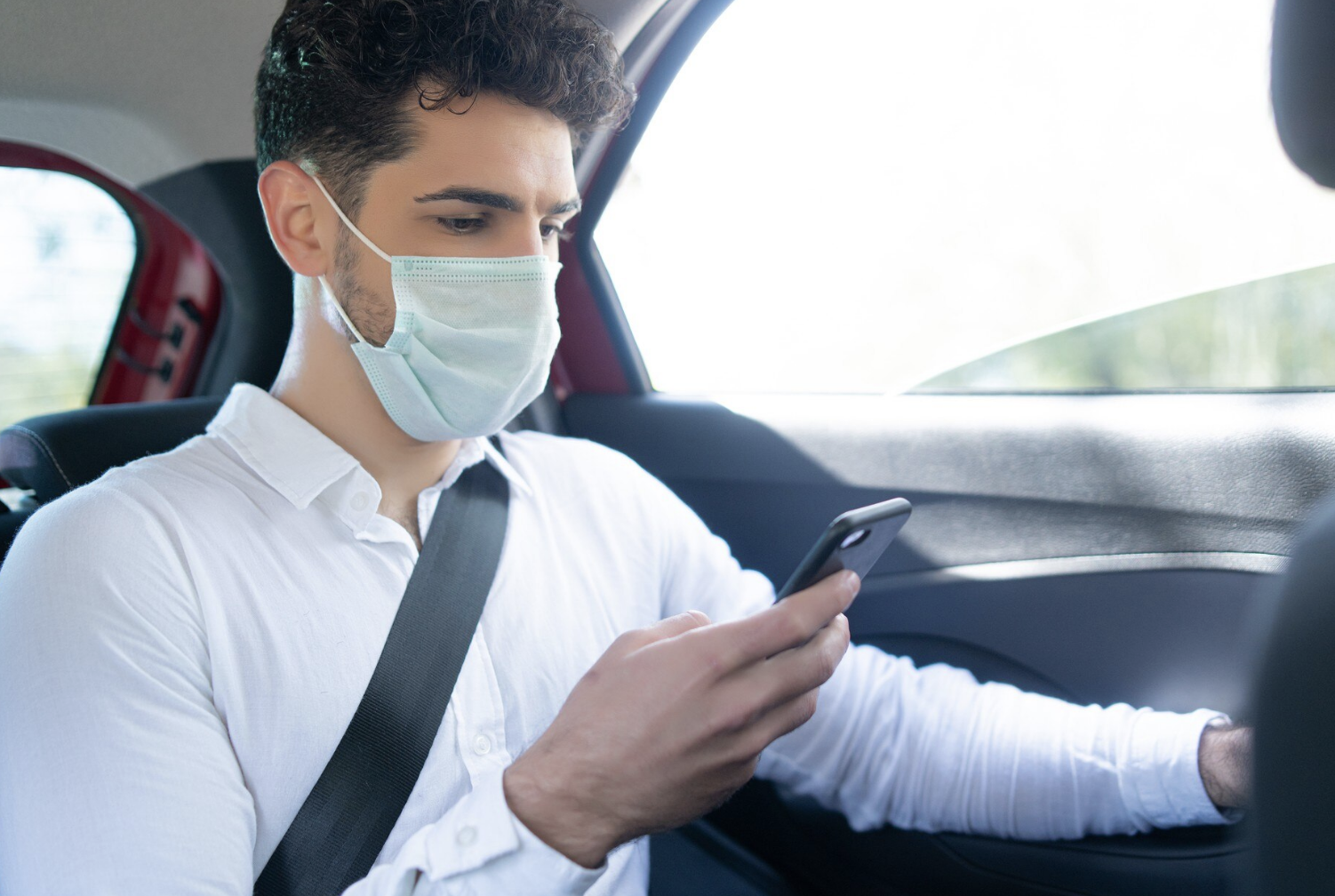
Most passengers assume the app on their phone is also the insurance company standing behind the ride. It is not. Ask any personal accident lawyer hollywood fl who has worked a Friday-night pickup on the Hollywood strip, and the sequence is familiar: the driver’s personal auto insurer says the app was running, the app’s insurer says the trip period does not apply, and the passenger with an emergency room and imaging bill in the low five figures gets nothing from either one. The argument here is simple. Rideshare coverage turns on which policy period was active at the moment of impact, and pinning that down early is what decides which insurer pays.
Two Insurers, One Crash, Nobody Volunteering to Pay
The myth is that a rideshare crash has one insurance company attached to it. Reality: there are at least two. The driver carries a personal auto policy that usually excludes commercial driving; the app carries coverage that only switches on during defined trip periods. The case we see most often along the Hollywood and Fort Lauderdale strip is a late pickup where both carriers acknowledge the crash and neither one accepts it. Weeks pass. Meanwhile the hospital billing department is not waiting, and that silence is the sound of two carriers running out the clock. Florida law gives most negligence claims a 2-year filing window under section 95.11 of the Florida Statutes, so the deadline the passenger cannot see is the one that matters most.
What an App’s Coverage Actually Turns On
Coverage under a rideshare app is not one fixed thing. It moves through periods. With the app off, the driver’s personal policy is the only policy that applies; with the app on and no ride accepted, the company’s contingent liability coverage sits underneath at lower limits; once a ride is accepted and until the drop-off, the larger commercial policy governs. Think of a phone handing off from wifi to cellular as you walk out of a bar, same call, different network deciding what the minutes cost. A passenger is almost always inside the widest period. The fight is rarely about whether coverage existed at all. It is about which carrier’s period was live, and who has to open the file first.
None of this is happening in a calm insurance market. CNBC put the average driver’s premium at $1,084 per six months in January 2026, roughly $181 a month and about 18% above the year before. Carriers absorbing that kind of cost pressure are not generous with injury payouts, and adjusters on both sides know a confused passenger costs less than a represented one.
Where a Passenger’s Medical Bills Really Land
Florida’s no-fault system pays first, and its rules are strict enough to shut out people who did nothing wrong. Under Florida’s personal injury protection statute, benefits require initial medical care within 14 days of the crash, reimburse 60 percent of lost gross income, and stop at a $10,000 limit. Get examined the night of the crash. Do not wait to see whether the soreness fades, because that deadline does not bend for anyone. Injury deadlines and rideshare coverage rules vary by state and turn on the facts of each case, so a licensed Florida attorney should be the one telling you what applies to your situation.
Ten thousand dollars sounds like plenty until an ambulance ride, an emergency room visit, a CT scan and two follow-ups are added together. On the strip, that ceiling is usually gone before the imaging is even read. Whatever remains goes to the liability carrier, which is precisely the carrier still arguing about periods. How many South Florida passengers quietly pay those balances themselves because they assumed the app had handled it? I have never found a credible number, and I doubt anyone counts it honestly.
Does the app’s insurance cover me if I was only a passenger?
The trip-period coverage is normally the broadest coverage available, and a passenger sits inside it by definition. That does not mean the insurer agrees quickly. The dispute tends to be about which policy was active, so save the trip receipt, the driver’s name and the exact pickup times.
What if the driver says the app was switched off?
The app’s own trip record answers that better than anyone’s memory does. Rideshare companies keep timestamped ride data, and it can be requested through the claim or through litigation. One driver’s account of the night is not the final word on it.
Should I accept the first offer an adjuster puts in writing?
Not before somebody has read the medical file against the policy periods. The market explains a lot about that first number: NPR reported that car insurance premiums climbed 55% since February 2020, and carriers in that position scrutinize every payout. An early check that clears can close a claim before an MRI is even scheduled.
Getting a Local Advocate Before Any Check Clears
A passenger’s real advantage is timing, and it fades quickly. Someone who knows Hollywood’s courts and the adjusters working Broward County can request the trip data, identify the active policy period and assemble the medical record while the bills are still current, which beats calling six months later with a folder of collection notices. That is the practical argument for hiring a personal accident lawyer hollywood fl residents can reach directly instead of negotiating alone. Ask in the first conversation how the coverage periods will be proven, and who at the office actually handles the calls.