IECC Code Compliance Services for Modern Building Projects
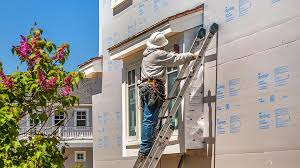
IECC compliance has become a fundamental aspect of successful, sustainable building projects in today’s construction landscape. The International Energy Conservation Code (IECC) promotes energy efficiency by requiring new structures to adhere to a set of standards that ultimately reduce environmental impact and operational costs. For developers, architects, and builders, leveraging professional energy testing solutions is essential for navigating this code and ensuring successful, code-compliant projects from planning through completion.
The significance of IECC compliance extends beyond simply adhering to regulations. It influences a project’s marketability, long-term operating expenses, and eligibility for specific incentives or certifications. In the increasingly competitive real estate and construction industries, knowledgeable stakeholders see energy code compliance not just as a box-checking exercise, but as a means of delivering higher-quality, future-proof developments with strong value propositions.
Staying current with evolving IECC requirements is challenging, especially for teams working across multiple jurisdictions or facing complex building designs. To overcome these hurdles, many turn to expert compliance services, which offer training, plan reviews, field assessments, and energy modeling to ensure projects conform to the latest energy codes. These services help mitigate the risk of costly redesigns, fines, or project delays that could arise from missed compliance details.
Government agencies and industry associations have emphasized the benefits of early engagement with compliance experts, highlighting increased project efficiency, cost savings, and regulatory peace of mind for teams that utilize these services. According to the U.S. Department of Energy, consistent code enforcement and compliance can improve building energy performance by 20-30%.
Importance of IECC Compliance
The IECC serves as one of the most widely adopted energy codes in North America, setting minimum standards for insulation, HVAC systems, lighting, and construction practices. Compliance is crucial as it substantially reduces buildings’ energy use and operating expenses over time, while also playing a direct role in combating climate change through reduced greenhouse gas emissions.
For example, the 2021 IECC introduced more stringent requirements than previous iterations, projecting nearly a 10% improvement in building energy efficiency and an 8.7% reduction in emissions compared to the 2018 version. As energy codes continue to advance, compliance represents not just a regulatory minimum but also contributes to the overarching goals of state and municipal sustainability programs.
Services Offered for IECC Compliance
- Training Programs: Customized educational workshops that familiarize building teams, designers, and inspectors with current IECC requirements and best practices.
- Plan Review: In-depth review of construction documents and architectural plans to confirm all designs align with IECC mandates before breaking ground.
- Energy Modeling: Computer-based simulations that estimate a building’s energy consumption, offering data-driven pathways for compliance and efficiency improvements.
- Field Assessments: On-site inspections during construction to verify code compliance, identify discrepancies, and recommend corrective action where necessary.
These services work in tandem to eliminate guesswork, reducing project risk and facilitating smooth approvals from building departments.
Benefits of Adhering to IECC Standards
- Energy Savings: IECC compliance yields tangible utility savings, as energy-efficient buildings require less power for heating, cooling, and operations.
- Environmental Impact: Reduced energy demand means a smaller carbon footprint and less strain on public energy infrastructure.
- Marketability: IECC-compliant properties appeal to eco-conscious buyers and tenants, resulting in higher occupancy rates and increased resale values.
- Regulatory Compliance: Meeting IECC standards ensures that developers avoid fines, project delays, or costly after-the-fact fixes due to failed inspections or code violations.
Projects that comply with the code are strategically positioned to benefit from rebates, tax credits, and participation in green building programs such as ENERGY STAR or LEED, thereby further enhancing their economic and societal value.
Challenges in Achieving IECC Compliance
- Complexity of Standards: The IECC is revised every three years, which demands ongoing education and adaptation for all involved in the construction process.
- Cost Implications: An upfront investment in efficient materials and systems may be higher, but lifecycle savings typically justify the expense over time.
- Resource Constraints: Smaller firms often lack the internal expertise or resources necessary to keep pace with evolving code requirements and best practices.
Collaboration with specialized compliance service providers helps overcome these barriers by offering guidance, training, and technical expertise tailored to each project’s needs.
Case Studies of Successful IECC Compliance
Local governments and organizations across the U.S. have demonstrated the impact of proactive IECC compliance initiatives. For instance, Washington, D.C. implemented a compliance improvement plan with the help of the Institute for Market Transformation, boosting its energy code compliance rate from 74% to 99% in just two years. Lessons from such efforts underline the importance of ongoing engagement, continuous education, and strong public-private partnerships.
Future Trends in Energy Code Compliance
- Digital Tools: Technologies such as Building Information Modeling (BIM) and digital compliance trackers are streamlining plan reviews and record keeping, reducing errors and delays.
- Stricter Standards: As decarbonization becomes a national priority, codes will continue to evolve to support net-zero-ready buildings and renewable energy integration.
- Incentive Programs: Utilities and governments are expanding grant, rebate, and recognition programs to encourage voluntary adoption of energy codes and validate high-performance projects.
Forward-thinking builders and developers should monitor these trends to anticipate and adapt to further regulatory changes, positioning their projects for long-term success in the green building marketplace.
In summary, IECC code compliance goes far beyond fundamental legality—it shapes project outcomes, operational costs, and environmental stewardship for years to come. Working with specialized compliance services ensures construction teams achieve, and even surpass, modern energy standards, setting the stage for innovative, resilient, and efficient built environments.


