How to Avoid Common Risks When Mailing Personal Checks
Sending personal checks through the mail can feel risky if you are not careful. Lost or stolen checks can cause delays, financial loss, and identity theft. Simple mistakes like using the wrong envelope or unclear handwriting increase these risks.
Understanding best practices can help protect your money and personal information. Taking a few extra precautions makes mailing personal checks safer and more reliable. Knowing how to handle addresses, postage, and timing reduces stress and mistakes.
Read on to learn effective steps to protect your checks and make mailing them safer. Use the tips below to follow best practices when mailing personal checks.
Use Secure Envelopes
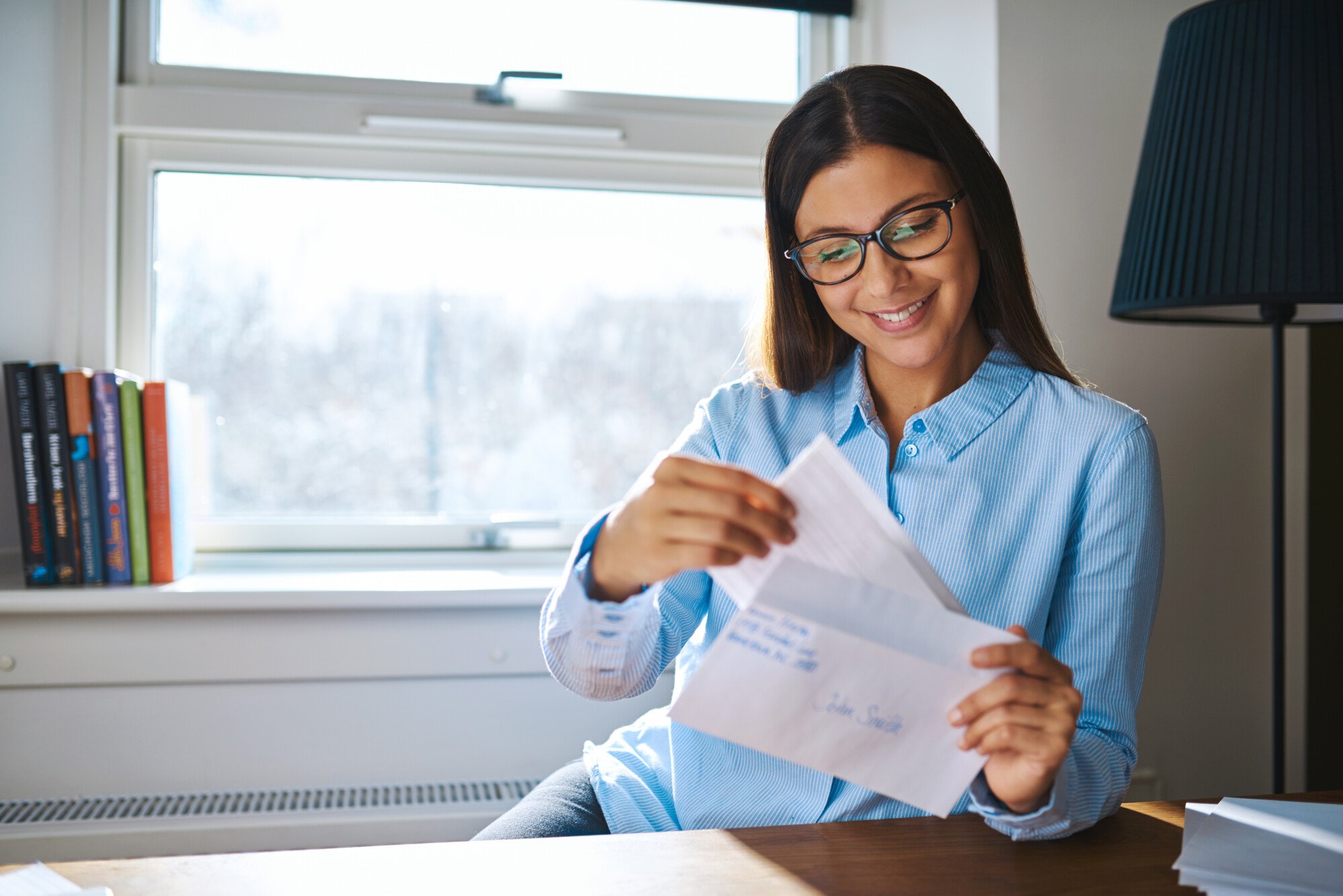
Always use a sturdy envelope that hides the contents. Avoid thin or transparent envelopes that allow anyone to see the check inside. Make sure the envelope is sealed completely to prevent tampering. Consider using security envelopes with patterned interiors.
Write the recipient’s address clearly and accurately to prevent misdelivery. Avoid writing your personal details on the outside beyond what is necessary. Keep the envelope free of extra markings that could draw attention.
Using a secure envelope reduces the chance of loss or theft. This simple step protects both your check and your personal information.
Verify Recipient Information
Double-check the recipient’s name and address before sending a check. Ensure the address matches the intended person or business exactly. Mistakes can lead to delayed payments or the check being returned. Confirm the spelling and formatting to avoid confusion.
If the recipient recently moved, get the updated address first. Ensure any apartment or suite numbers are included. Use the correct postal abbreviations and numbers. Accuracy prevents unnecessary issues in delivery. Taking this step avoids common mailing errors.
Use Trackable Mail Services
Whenever possible, send checks using a trackable service. Tracking allows you to know when the check is delivered. This also helps in case the check gets lost or delayed.
Keep the tracking number for reference. It adds an extra layer of security and accountability. Trackable services reduce the risk of mailing errors. They provide proof of mailing and delivery.
Tracking ensures peace of mind when sending money. This method is worth the extra effort for important checks.
Limit Check Exposure
Only include necessary information on the check. Avoid writing your Social Security number or account details elsewhere on the check. Keep the memo line brief and relevant. Do not include sensitive personal information in the envelope.
Limit the number of checks mailed at once. Sending multiple checks together can increase risk if lost. Use checks sparingly and only when necessary. Limiting exposure protects against identity theft. A careful approach reduces potential problems.
Avoid Mailing Checks During Holidays
Mail is often slower and less reliable during holidays. High volume can increase the chance of delays or lost items. If possible, plan payments ahead of time. Avoid mailing checks near weekends or public holidays. This ensures the check reaches the recipient on time.
Delays can cause late fees or service interruptions. Timing your mail reduces unnecessary stress. Plan ahead to avoid common mailing pitfalls. Careful scheduling keeps payments on track.
Keep Records of Your Checks
Always make a copy or note of each check you send. Include the check number, date, and amount. Record the recipient’s details as well. Keeping records helps track payments and spot missing checks.
This helps with disputes if a check is lost or stolen. Maintain records in a secure location. This simple habit reduces the risk of fraud. Accurate records make it easier to reconcile your accounts. Keeping detailed notes supports financial security.
Use Standard Postage
Always use proper postage for checks. Insufficient postage can cause returned or delayed mail. Check weight and size requirements before mailing. Avoid overstuffed envelopes that may be damaged.
Proper postage ensures the postal service handles the item correctly. Double-check the stamp placement. This reduces the chance of mail being lost. Standard postage is an easy way to protect your check. Paying attention to postage avoids common mailing mistakes.
Monitor Your Bank Account
Check your account regularly after sending checks. Watch for cleared checks and any unusual activity. Prompt detection helps prevent fraud. Contact your bank immediately if a check goes missing or seems altered.
Monitoring keeps you aware of financial movements. Set up alerts to track check activity. This step increases security when mailing personal checks. Being proactive reduces potential losses. Monitoring ensures you catch issues early.
Use Permanent Ink
Always write checks in permanent ink. Avoid pencils or erasable pens. Permanent ink prevents alterations. Tampering with a check written in permanent ink is more difficult. This step protects your money and personal information.
Ensure your signature is clear and consistent. Use ink that does not smear or fade. Permanent ink adds an extra layer of security. It helps avoid common fraud risks.
Write Checks Clearly
Legible writing prevents confusion and errors. Use consistent and clear handwriting for all details. Avoid cursive or overly decorative styles. Ensure the amount is written correctly in both numbers and words.
Double-check the date and signature. Mistakes can cause the check to be rejected. Clear writing helps prevent tampering. This step reduces risk and improves delivery success. Writing clearly protects both the sender and recipient.
Avoid Mailing Cash Instead
Never mail cash in place of a check. Cash cannot be traced if lost or stolen. A check can be canceled and replaced, offering more protection. Mailing cash increases the risk of theft significantly.
If cash is necessary, use a secure, trackable delivery service. Consider alternative methods for sending money instead. Checks provide a record of payment. Choosing checks over cash reduces financial risk. This ensures safer transactions.
Ask Questions When Unsure
If you are unsure about mailing a check, get answers first. This is important if you are asking questions like is it safe to mail a check or how to protect your information. Seek guidance from your bank or reliable sources.
Clarify any doubts about addresses, postage, or timing. Confirm security steps before sending. Being cautious reduces mistakes and risks. Ask questions about best practices regularly. This ensures safe and successful mailing. Gathering information protects both sender and recipient.
Avoid Common Risks When Mailing Personal Checks
Mailing personal checks can be safe when precautions are taken. Using secure envelopes, verifying information, and tracking deliveries all reduce risks. Limiting exposure and keeping accurate records improves security.
Avoiding mailing during holidays and monitoring accounts keeps payments on track. When in doubt, asking questions ensures you follow best practices. Following these steps helps avoid common risks and ensures safe delivery every time.
Should you wish to read more, visit our blog page.