Home Studios Lose More Takes To Loud Air Than To Bad Mics
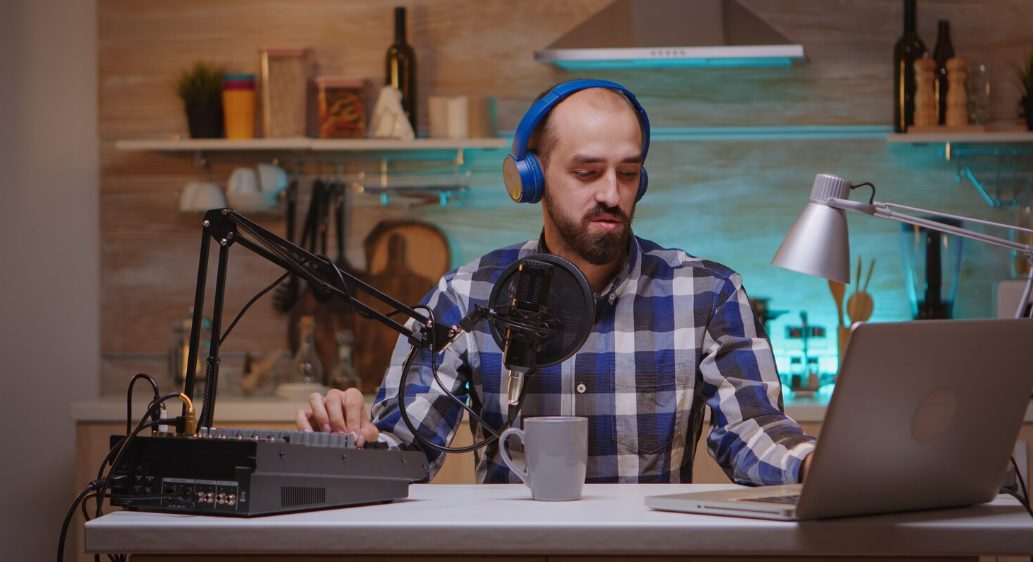
Why does the take that felt perfect come back with a wash of noise sitting under it? Usually the culprit is the air handler rather than the microphone, which is why home studio owners around Chester start looking into hvac service chester va before they shop for a better condenser. A spare bedroom turned tracking room is a small quiet space bolted to a large appliance, and the mic hears the appliance. The fix is not more foam on the wall. It is changing how the cooling runs, because variable speed operation paired with real filtration keeps a room quiet, steady and clean through a four hour session, and that saves more takes than any gear purchase at the same price.
Single Stage Blowers Were Never Built For Microphones
A single stage system knows two states. Off, or full tilt. When it kicks on mid verse it steps all over the vocal, and the compressor riding that channel dutifully lifts the rumble up into the mix along with everything else you wanted. So the room gets shut off for the session. Then the temperature in a 12 by 14 bedroom holding a computer, two monitors and a rack of gear climbs into the mid eighties by take nine, and the performance goes with it.
The case we see most often in these rooms is two separate problems arriving together. Air that is too loud to record over, and air that is dirty enough to coat a diaphragm. A thin one inch filter sitting in a return grille passes a lot of dust, and dust settles on whatever is pointed up toward the ceiling, which in a home studio is a condenser mic worth more than a decade of filters. Pull the grille off a large diaphragm mic after six months of blast cooling and you can see it without a flashlight.
Then A Blast Of Air Now A Whisper
Five or six years ago the standard advice on every recording forum was to shut the HVAC off before you hit record and open a window during the break. That was reasonable advice, because the equipment in most houses offered nothing else. One fan speed, one compressor stage, a thermostat that could either call for cooling or sit there. Today a variable speed compressor and blower will hold a setpoint by running almost continuously at a fraction of capacity, which is quieter at the mic than the same tonnage cycling hard every twenty minutes, and it pulls humidity down better too, since long gentle runtime is what actually dries a room out.
The efficiency side is real, though smaller than the showroom pitch suggests. A June 2026 efficiency guide from HVAC Base puts the jump from a 14 SEER unit to a 16 SEER unit at roughly 5.1 percent in annual energy savings, with a two to five year payback once rebates are counted, and calls that particular step the best value available in cooling efficiency. Read the electricity as a bonus. What you are buying is the runtime behavior, and the runtime behavior is what the microphone responds to.
The Runtime Math On One Spare Bedroom Studio
Put one session on paper and it gets concrete fast. Say a single stage three ton unit pulls 3.5 kilowatts while it runs, and over a four hour tracking session it is genuinely on for about 2.4 of those hours, so 8.4 kilowatt hours. Call power 13 cents to keep the arithmetic simple, and the cooling on that session runs about $1.09. A variable speed replacement loafing along on low stage at roughly 1.1 kilowatts, staying on nearly the full four hours, uses 4.4 kilowatt hours, or 57 cents. Three sessions a week across a year comes to about $81 saved, which is real money and still not the reason anybody does this.
What low stage actually buys is a noise floor that stops moving. In one room I sat in, a meter at the mic position read 46 dB with the old blower cycling and 38 dB with the whole system off, and the variable speed head at low fan landed close enough to the off number that takes stopped getting thrown out. Any hvac service Chester VA homeowners bring into a room like that ought to be measuring at the mic position rather than at the supply grille, and asking about filter depth in the same visit. A four inch media cabinet and a return sized to feed it do more for a dusty mic locker than a purifier humming on the desk.
Fixing The Air Costs Less Than Retracking Vocals
Here is the part I cannot hand you a number for. Nobody tracks how many takes get scrapped because a blower kicked on, and no bedroom engineer is logging it, so the honest answer on what room noise costs a record is that we do not know and probably never will. The countable side is the other one. With under $6,000 of gear in a spare bedroom, a session you have to retrack twice burns more hours than the gap between a builder grade swap and a variable speed system with a proper filter cabinet.
Treat the comfort system as studio equipment, because in a converted bedroom that is precisely what it is. Ask for the sound rating at low stage. Ask what filter the cabinet takes and whether the return is sized to feed it without whistling, then get the duct layout looked at before anyone quotes you an outdoor unit. A room that holds 72 degrees quietly, all the way through a long night of vocal comping, changes what you are able to keep. The mics were never the problem.