Eco-Friendly Roofing Solutions for Sustainable Homes
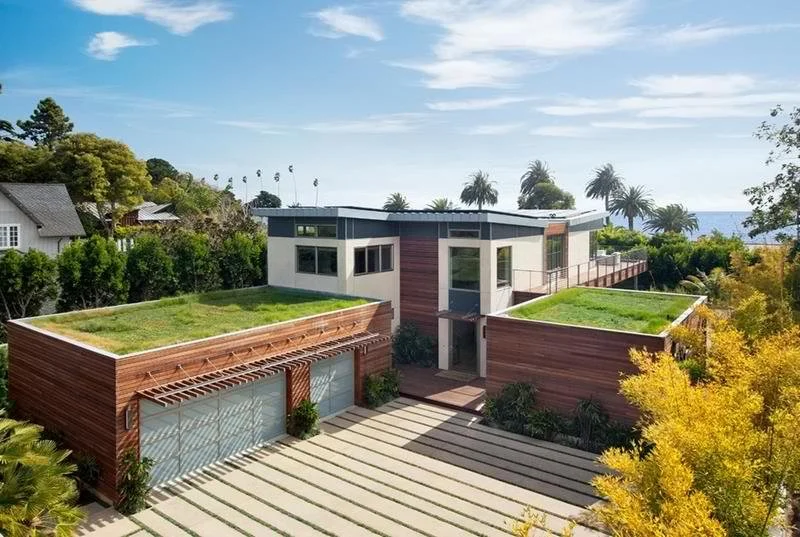
As demand for sustainable building practices increases, many homeowners are seeking ways to make their homes more environmentally responsible. One of the most effective options is switching to eco-friendly roofing. By exploring innovative roofing materials and techniques, individuals can reduce energy bills, increase home durability, and shrink their ecological footprint. Whether you are starting a renovation or building new, working with a reputable roofing contractor can help you find the right solution for your needs.
Eco-friendly roofing options not only promote sustainability but can also offer attractive cost savings over their lifespans. With the growing awareness of climate change and resource scarcity, it is more important than ever to make choices that benefit both homeowners and the environment. Adopting a “green” roofing system is a fundamental step that can deliver significant benefits for years to come.
Benefits of Eco-Friendly Roofing
Choosing sustainable roofing materials offers homeowners several compelling physical and environmental advantages:
- Energy Efficiency: Cool roofing materials reflect the sun’s heat, minimizing heat absorption and potentially reducing air conditioning expenses by a substantial margin. According to the U.S. Department of Energy, cool roofs can lower rooftop temperatures by up to 50 degrees Fahrenheit, directly affecting indoor comfort and energy use.
- Durability: Many eco-friendly roofing options are engineered for longevity, reducing maintenance and replacement frequency, preventing additional waste, and conserving resources.
- Lower Environmental Impact: Utilizing recycled or sustainable materials keeps waste out of landfills and reduces dependence on new raw materials.
Popular Eco-Friendly Roofing Materials
There are several innovative materials that can help transform any roof into an environmentally friendly asset.
Metal Roofing
Metal roofs are favored for their durability and energy efficiency. Crafted from recycled materials such as steel, aluminum, or copper, they are environmentally friendly and recyclable at the end of their lifespan. Their reflective surfaces can cut cooling costs by up to 25%, making them a smart choice in hot or fluctuating climates. While the initial investment is higher, the savings on energy bills and low maintenance costs balance this out over time. Metal roofs resist fire, mold, and pests, making them ideal for tough climates or areas prone to wildfires. When equipped with suitable underlayment and insulation, they remain quiet and weather-resistant. Recent finishes and designs provide a variety of styles and colors, boosting curb appeal. Additionally, reflective coatings improve energy efficiency and offer architectural versatility, supporting sustainability efforts.
Green Roofs
Green roofs, also known as living roofs, feature vegetation installed over a waterproof membrane. They improve insulation, maintaining stable indoor temperatures, and help reduce stormwater runoff while filtering air pollutants. Additionally, they promote urban biodiversity. These roofs require proper support and regular maintenance. They are generally categorized as intensive, which support larger plants and small trees suitable for gardens or social spaces, and extensive, which use low-maintenance plants like sedum and grasses, ideal for retrofits and new constructions. Both types contribute to lowering the urban heat island effect and enhancing microclimates in densely populated areas.
Recycled Shingles
Recycled materials such as rubber, plastic, and reclaimed wood fiber create environmentally friendly shingles that imitate traditional designs, providing durability and requiring less maintenance. They reduce environmental footprints by repurposing waste, though availability and cost can vary by region, so consulting local experts is recommended. Besides eco-benefits, recycled shingles are typically impact- and weather-resistant, making them suitable for areas prone to hail or strong winds. They also feature robust warranties, demonstrating confidence in their durability. Technological advances have expanded their color options, styles, and variety, helping homeowners achieve aesthetic and sustainability goals. To fully realize the benefits of sustainable roofing systems, homeowners should consider working with roofers covering Perth and Perthshire who understand how to install eco-friendly materials efficiently and in line with modern environmental standards.
Considerations for Installation and Maintenance
To truly capitalize on the benefits of eco-friendly roofing, proper installation is essential. Homeowners should select experienced contractors who specialize in sustainable materials and techniques. Attention to insulation, flashing, ventilation, and waterproofing is crucial for performance. Regular inspections and maintenance, such as clearing debris and checking for damage, help to ensure optimal efficiency and a prolonged roof lifespan.
Maintenance practices for eco-friendly roofs may differ from traditional systems. Living roofs, for example, require periodic fertilization and irrigation, especially during the first establishment years, while recycled shingles or metal roofing may need little more than occasional cleaning and fastener checks. Proper seasonal maintenance prevents minor problems from escalating into costly repairs and helps roofs reach or exceed their expected lifespans. If your region experiences extreme temperatures, seasonal adjustments to maintenance routines can further optimize both performance and safety.
Cost and Availability
Some sustainable roofing options require a higher upfront investment, but they often pay off through lower utility bills, government incentives, and reduced replacement costs. It’s important to consider your location, climate, and home’s structure when choosing a roofing material. Local contractors can provide advice tailored to your area’s specific pricing and availability. Research incentives or tax credits in your region, as many municipalities now promote eco-friendly upgrades through rebates and deductions.
The availability and selection of eco-friendly roofing materials have expanded significantly in recent years as demand has increased. Homeowners can choose from a wide range of manufacturers and suppliers, with options to fit various roof styles and budgets. Many major cities have local distributors specializing in green building materials. Talking with your roofing contractor about current trends, warranties, and product lifespans can help you make a confident, future-focused decision that balances cost, aesthetics, and environmental responsibility.
Conclusion
Making the switch to an eco-friendly roof is one of the most meaningful ways homeowners can contribute to a greener planet. Not only does it offer immediate and long-term savings, but it also sets a precedent for other sustainable home improvements. By choosing responsible materials and ensuring professional, detail-oriented installation, property owners can maximize energy efficiency, extend their roof’s lifespan, and minimize their environmental impact.
As innovations continue to reshape the construction landscape, keeping sustainability top of mind will ensure your home remains efficient, valuable, and environmentally friendly for generations. Eco-friendly roofing serves as a prime example of how thoughtful decisions today can lead to enduring comfort, savings, and a lighter footprint tomorrow.