A Cable Hoist Upfit Costs Less Than A Week Of Downtime
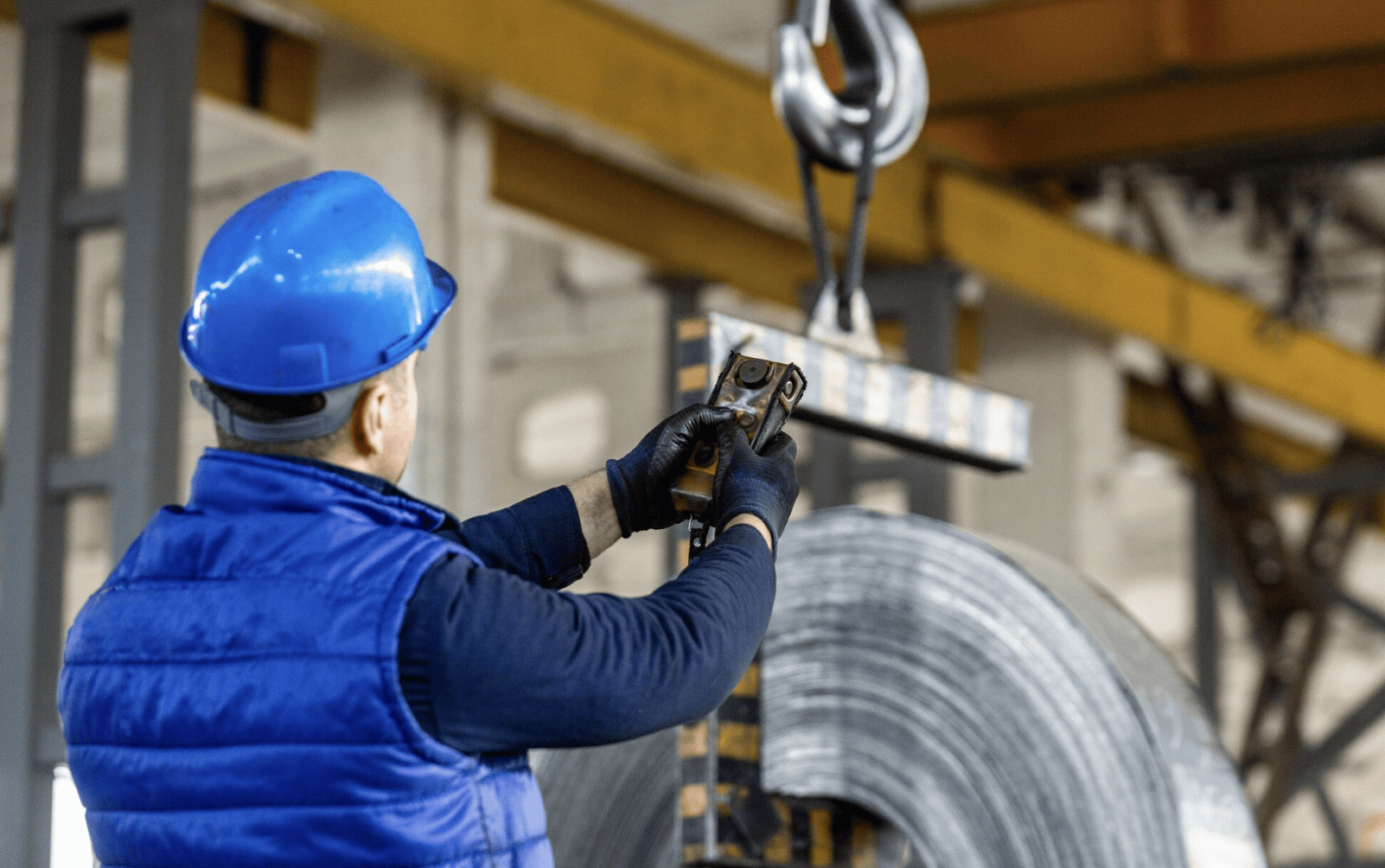
A cable hoist upfit on a bare chassis usually costs less than one idle week of a roll-off truck. That is the whole decision for a one-truck operator, and the auction sticker price is the smaller half of it. Getting cable hoist Atlanta GA installation done by a shop that measures your frame first is what turns a parked chassis into a truck that bills. The order matters more than the price tag. Buy the chassis, then match the hoist to it, not the reverse.
Downtime Costs More Than The Hoist Itself
Run the number before you shop for a kit. A roll-off working demolition tear-outs inside I-285 might turn three or four pulls a day at roughly $325 a pull. A full week parked is close to $4,800 of gross that never happens, while the insurance, the note and the tag keep billing anyway. Transport Topics reported in July 2026 that repair and maintenance climbed to 40.4 cents per mile in 2025, up from 39 cents. Costs on a truck do not pause when the truck does.
What A Bare Chassis Actually Needs To Haul
A hoist needs a subframe, meaning the steel rails an installer runs down the chassis so the load spreads instead of tearing into a few frame bolts. A PTO and pump have to be sized to the transmission, and the wiring, hoses and lights have to survive a dump site. Mount a hoist only on a chassis rated to carry it, and never load a container past the hoist’s rated capacity. Federal cargo securement rules require tiedowns with an aggregate working load limit of at least one-half the weight of the cargo. Nobody crawls under a raised body on a hunch. OSHA’s standard at 29 CFR 1926.600 requires a raised body to be fully lowered or substantially blocked before anyone works underneath it.
Breaking Down A Cable Hoist Upfit Quote
Ask for the quote in line items, never as one number. The hoist itself is the biggest single line, and the spread between a light cable unit and a heavier one runs into thousands before anybody touches your truck. Under that sits subframe fabrication and mounting labor, which is where the shop hours actually go. Then the hydraulics, meaning pump, PTO, reservoir, hoses and a valve you can service. Wiring, lights, mud flaps and a tarp system sit at the bottom of the sheet, and a cheap quote quietly leaves them off.
What I run into most often is a quote that looks cheap because the subframe is not on it. The shop priced the kit and the hardware, then left fabrication for a conversation you have later with your truck already apart. A real estimate names the hoist model, the subframe material, the hydraulic components and the shop hours behind each one. A shop that welds and fabricates in house can usually hand that back in a business day or two. Ask what happens when the frame measurements come back different than expected, because on an auction chassis they often do.
Where A Mismatched Online Kit Bites You
Frame rail height and width vary by chassis, and an auction truck has often been cut, plated or rebuilt by somebody who left no paperwork. A kit sized for different rails will not sit square, so no reputable shop will bolt it on and put its name on the install. The freight is already spent, the restocking window is closing, and the kit is a paperweight. Measure the frame first, then buy the hoist.
A One-Truck Roll-Off Payback Example
Say the hoist and cylinder run $8,400, subframe fabrication and mounting labor add $3,100, hydraulics and PTO another $1,450, with tarp, wiring and lights at $1,050. That comes to $14,000 all in, before paint. At $325 a pull and three pulls a day, the truck grosses about $975 daily, or roughly $4,875 across a five day week. Three solid weeks of hauling covers the upfit. Those figures are illustrative for one truck on demolition work, not a quote, though the ratio rarely moves much. An upfit is a few weeks of revenue, and a parked chassis is a few weeks of nothing.
The Math Favors An In-House Upfit
Parts are not getting cheaper on their own. CBS News reported that a federal proclamation set a 25% tariff on imported medium-duty and heavy-duty trucks and the parts used to build them. That lands on shipped-in hoist components, and a shop cutting its own subframes absorbs less of it than a bolt-on kit crossing an ocean.
The shops worth calling for cable hoist Atlanta GA work will measure your frame before they quote a number. They will also tell you what every hour on the invoice bought. Price the week your truck sits, then price the upfit against it, and one of those two numbers is a bill you can stop paying.