Bagged Mulch Is Cheaper Only Until You Count The Trips
Bagged mulch is the more expensive way to cover a front yard, and the gap widens with every square foot of planting bed. Price a cubic yard of mulch Vancouver WA suppliers deliver against the same coverage bought in plastic sacks, and the sacks lose twice, once on the receipt and again on the calendar. The bag only wins at the register. Nobody converts cubic feet into square feet while standing in the garden aisle with a loaded cart, which is exactly what the pricing counts on. One first-time homeowner hauled 42 bags home to a 1,400 square foot front yard, covered less than half the beds, and spent more doing it than a delivered load would have cost.
Bagged Mulch Looks Cheaper Per Unit
A two cubic foot bag with a hypothetical $4.97 sticker feels like a small decision. It is one item, it fits in a cart, and it does not require calling anyone or scheduling a drop-off. That is the same move bottled water pulls. Tap water costs fractions of a cent per gallon, but pour it into twelve ounce bottles with a label on them and people hand over two dollars without blinking, because the unit got small enough to stop feeling like a purchase at all. Mulch in a plastic sack is bottled water with bark in it.
Coverage Math Reverses The Price Comparison
A two cubic foot bag spread three inches deep covers eight square feet. Not eight square yards. Eight square feet, roughly the footprint of a bathmat, which is why 42 bags stopped at about 336 square feet and left the rest of the beds bare. Front beds of about 700 square feet are normal for a 1,400 square foot yard, and at three inches they swallow 175 cubic feet of material. That is 88 bags. It is also 6.5 cubic yards, since a cubic yard holds 27 cubic feet, and a delivery truck carries that amount without noticing. Say the sacks run $4.97 each while a delivered yard runs $38 with an $85 drop fee: the bagged route lands near $437 before tax and the bulk route near $332. Eighty-eight bags and six and a half cubic yards are the same pile of mulch at two different prices.
Nine Bags A Trip Is The Real Cost
A sedan trunk holds nine bags. Ninety pounds of damp bark on the back seat is a different conversation, and most people try that exactly once. Getting 88 bags home means ten trips, and the complaint we see most often from first-time buyers is not the sticker price at all, it is the second Saturday. Figure twenty-five minutes round trip plus loading and unloading, and the bagged front yard quietly costs about four hours of unpaid labor. Bulk arrives once. Quotes for mulch Vancouver WA delivery usually fold the haul into a single number, so the whole errand collapses into one phone call and one pile in the driveway.
Fresh Fir Is Not Interchangeable With Dyed Bagged Mulch
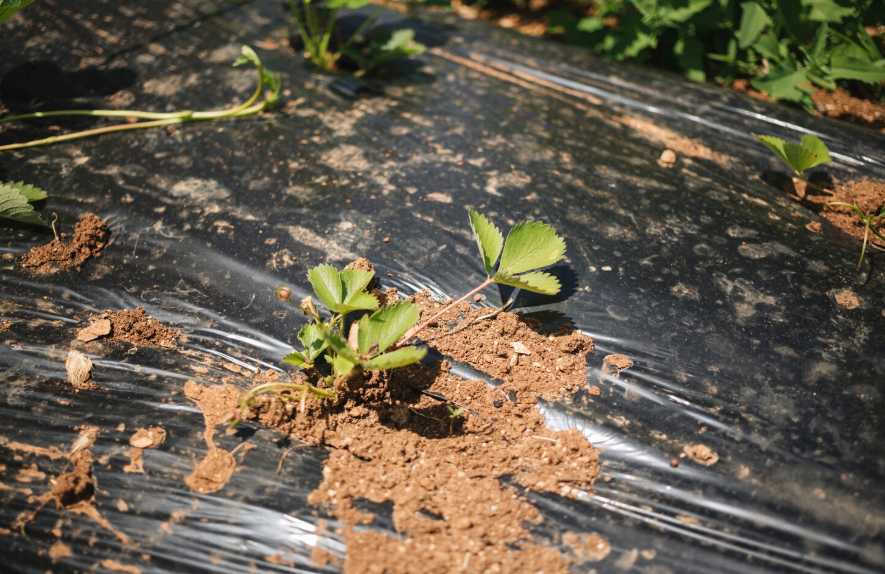
Coverage numbers printed on packaging are not comparable across products, because the products are not doing the same job. Medium fresh fir works as decorative ground cover and soil amendment, holding moisture, breaking down into the bed over time, and keeping a rustic look while the fir smell hangs around for months. Sheet products sit in a different category. A May 2026 mulch roundup from Bob Vila notes that black plastic sheeting covers roughly 400 square feet while warming soil, speeding germination and holding moisture, which is a sensible answer for a vegetable row and a poor one for a bed the neighbors look at. The fragrance is genuinely part of the appeal, and buyers do pick material based on how the driveway pile smells on delivery day. That is not a buying criterion. The buying criterion is depth, and depth is volume.
Two Inches Deep Will Not Hold Weeds Back
Bag coverage charts tend to assume two inches, which is where the per-bag arithmetic quietly picks up its edge. Two inches is a color coat. Light still reaches the soil, seeds still sprout in it, and by July the bed needs a top-up nobody budgeted for. Three inches is the depth that shades the ground and holds moisture through a dry Vancouver August, and moving from two inches to three raises the volume by half. On 700 square feet that is another 58 cubic feet, meaning 29 more bags and two more trips in the sedan. Ordering by volume makes that decision cost almost nothing, because another yard and a half is a line item on a delivery that was already coming.
Order By Volume And Skip The Bag Runs
Measure the beds, multiply the square footage by 0.25 for a three inch layer, divide by 27, and order that many cubic yards. That is the entire method, and it takes about four minutes with a tape measure and a phone. The sack is not a scam, it is a unit built for a balcony planter and priced like a convenience store item, and a 1,400 square foot front yard is neither of those things. Anyone who has already moved a yard of mulch nine bags at a time knows which half of this argument does the persuading.