Understanding Panhard Rods: Key Suspension Components for Your 4WD
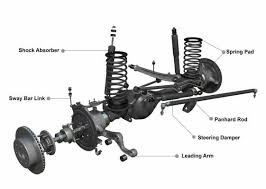
For 4WD vehicles, suspension systems play a crucial role in ensuring optimal performance, safety, and comfort while driving both on roads and off-road terrains. Among the many suspension components, one that often goes unnoticed but is vital to vehicle handling and stability is the panhard rod. Understanding the function and importance of panhard rods is essential for any 4WD owner aiming to maintain or upgrade their vehicle’s suspension system.
What is a Panhard Rod?
A panhard rod is a suspension link that helps to control lateral movement of the axle relative to the vehicle’s chassis. It is commonly utilised in solid axle suspensions, prevalent in many 4WD vehicles, where it provides critical lateral stability during cornering and over uneven surfaces. Without this component, the axle could shift from side to side, resulting in unpredictable handling characteristics and potential safety issues.
Function of the Panhard Rod in Suspension Systems
The primary function of the panhard rod is to restrain the lateral motion of the axle. By connecting one side of the chassis to the opposite side of the axle, it limits side-to-side movement while allowing the vertical suspension travel necessary for absorb shocks and maintain traction. This ensures the axle remains centred beneath the vehicle body throughout different driving conditions.
In essence, the panhard rod complements other suspension components such as coil springs or leaf springs, shock absorbers, and control arms. While these elements manage vertical movement and damping, the panhard rod specifically addresses lateral stability, thereby improving handling precision and wheel alignment consistency.
Importance of Panhard Rods in 4WD Vehicles
Given the demanding nature of off-road driving, 4WD suspension systems must be robust and reliable. Panhard rods contribute significantly to this robustness by maintaining the axle’s lateral position under heavy loads, during sharp turns, and when navigating uneven terrain. This contributes to better tyre contact with the surface, improving grip and vehicle control.
Moreover, vehicles equipped with panhard rods experience reduced wear and tear on tyres and suspension bushings. This is because the controlled lateral movement prevents excessive side loads that could lead to premature deterioration of these parts, thereby enhancing the overall durability and lifespan of the vehicle’s suspension system.
Types of Panhard Rods
Panhard rods vary in design depending on the vehicle and intended use. Standard panhard rods are typically solid steel bars with bushings or bearings at each end where they attach to the chassis and axle. However, heavy-duty variants are available for applications requiring enhanced strength, such as in off-road or competition vehicles.
Adjustable panhard rods have gained popularity because they allow fine-tuning of the axle position, which is particularly useful after a suspension lift or modification. Adjustability helps centre the axle precisely under the vehicle body, maintaining optimal handling characteristics.
Common Issues with Panhard Rods
Despite their robust construction, panhard rods can develop issues over time due to exposure to harsh environments and mechanical stresses. Typical problems include worn bushings, bent rods from impacts or off-road obstacles, and loose mounting hardware. Such deterioration can lead to increased lateral axle movement, resulting in erratic handling and accelerated component wear.
Consequently, regular inspection and maintenance of panhard rods are important for vehicle safety and performance. Signs that a panhard rod may require attention include unusual noises from the suspension, uneven tyre wear, and a noticeable decrease in handling precision.
Installation and Maintenance Considerations
Installing or replacing a panhard rod should be performed with care, and it is advisable to consult professionals or follow manufacturer guidelines closely. Proper alignment during installation is critical because even slight misalignment can adversely affect suspension geometry and vehicle stability.
Maintaining the panhard rod involves ensuring that bushings are in good condition and that all bolts and brackets are secure. Lubrication may be necessary for certain types of bushings or joints to reduce friction and wear. Periodic checks during routine vehicle inspections can help detect issues early and prevent more significant suspension failures.
Upgrading Panhard Rods for Enhanced Performance
Many 4WD enthusiasts choose to upgrade their suspension components, including the panhard rod, to achieve better off-road capability or to accommodate suspension lifts. Upgraded panhard rods often feature stronger materials such as chromoly steel or aluminium, as well as polyurethane or spherical bushings that provide improved durability and articulation.
Adjustable panhard rods are especially beneficial in lifted 4WDs, where the original rod length may no longer be appropriate due to changes in axle position. These allow for precise adjustments that maintain proper axle alignment and prevent issues such as uneven tyre wear or compromised handling.
Conclusion: The Vital Role of Panhard Rods in 4WD Suspension
Panhard rods are fundamental components of a 4WD vehicle’s suspension system, ensuring lateral axle stability and contributing to safer, more predictable handling characteristics. By controlling side-to-side movement of the axle, they complement other suspension elements and facilitate consistent wheel alignment.
For anyone looking to maintain, repair, or upgrade their 4WD suspension, understanding the function and importance of panhard rods is essential. Regular maintenance, careful installation, and suitable upgrades can significantly enhance vehicle performance, durability, and safety on all types of terrain.
Staying informed about suspension components such as panhard rods empowers 4WD owners to make informed decisions that optimise their vehicle’s capabilities and reliability in diverse driving conditions.