How Lighting Choices Change the Way a Living Room Feels

The living room serves as the heart of most homes, where families gather, guests are entertained, and countless memories are made. Yet one element often determines whether this space feels warm and inviting or cold and unwelcoming: lighting. The fixtures you select, their placement, and the quality of light they emit can dramatically alter the atmosphere of your entire living area.
Among the various lighting options available today, arc floor lamps have emerged as particularly versatile solutions for modern homes. These distinctive fixtures combine functional illumination with sculptural design, making them ideal for spaces that demand both practicality and visual appeal. When you understand how different lighting choices affect mood, perception, and functionality, you can create a living room that truly reflects your lifestyle and aesthetic preferences.
Understanding the Psychology of Living Room Lighting
Light affects human psychology in profound ways. Warm lighting creates feelings of comfort and relaxation, while cooler tones can energize a space and promote focus. The intensity, direction, and color temperature of your lighting all contribute to the overall ambiance of your living room.
Research in environmental psychology has shown that people respond differently to various lighting scenarios. Bright, direct lighting can make a room feel more active and stimulating, perfect for social gatherings or family game nights. Softer, indirect lighting creates a calming atmosphere ideal for reading, conversation, or winding down after a long day.
The fixtures you choose play a crucial role in determining these lighting qualities. A Nova of California arc lamp, for example, provides overhead illumination without requiring ceiling installation, offering flexibility that traditional fixtures cannot match. This adaptability allows homeowners to adjust their lighting scheme as their needs change, without major renovations or permanent alterations to their space.
The Evolution of Arc Floor Lamps in Interior Design
Arc floor lamps have a rich history in modern design, dating back to the mid-20th century when designers sought to create lighting solutions that were both functional and sculptural. The iconic curved arm that extends from a weighted base became a symbol of contemporary style, representing a departure from traditional standing lamps and fixed ceiling fixtures.
Mid century floor lamps introduced the concept of adjustable, directional lighting that could be positioned precisely where needed. This innovation freed homeowners from the constraints of ceiling-mounted fixtures, allowing them to illuminate specific areas like reading nooks, conversation spaces, or dining tables without complex electrical work.
Today, modern arc floor lamps continue this tradition while incorporating contemporary materials, finishes, and technologies. Manufacturers like Nova of California have refined the arc lamp design, creating fixtures that seamlessly blend with various decorating styles while providing superior illumination. These lamps serve as functional art pieces, adding visual interest even when not in use.
The curved design of arched floor lamps for living room spaces offers distinct advantages over straight floor lamps. The extended reach allows the light source to hover over furniture arrangements, providing overhead illumination similar to a pendant light but with complete portability. This makes them particularly valuable in rental properties or homes where hardwired ceiling fixtures are impractical or impossible to install.
Key Features That Define Quality Arc Lamps
Not all arc floor lamps are created equal. Several factors distinguish exceptional fixtures from mediocre ones, and understanding these differences helps you make informed purchasing decisions.
Base Stability: The foundation of any arc lamp must provide sufficient weight and stability to counterbalance the extended arm. Quality lamps for living room use typically feature marble, metal, or weighted resin bases that prevent tipping, even when the arm is fully extended. A stable base ensures safety, particularly in homes with children or pets.
Arm Construction: The arching arm must be strong enough to support the light fixture without sagging or bending over time. Premium models use steel or reinforced aluminum construction, often with powder-coated finishes that resist scratches and maintain their appearance for years. The arm should extend far enough to position the light source where needed, typically between 60 to 80 inches from the base.
Adjustability: Many modern arc floor lamps offer adjustable height or rotation, allowing users to direct light precisely where needed. This flexibility maximizes the lamp’s utility, enabling it to serve multiple functions throughout the day. Some models also feature dimming capabilities, providing control over light intensity to match different activities and moods.
Shade Design: The shade or light housing significantly impacts the quality and direction of light. Translucent shades diffuse light for softer, more ambient illumination, while opaque shades direct light downward for task lighting. An arc floor lamp with 3 lights might feature multiple shades in different configurations, offering layered lighting options within a single fixture.
Strategic Placement for Maximum Impact
Where you position your living room lamps determines their effectiveness and the overall feel of your space. Arc lamps for living room environments offer unique placement opportunities due to their extended reach and overhead lighting capabilities.
Behind Seating Areas: Placing a Nova arc floor lamp behind a sofa or sectional creates excellent reading light while keeping the base out of the main traffic flow. The light source extends over the seating area, eliminating shadows on books or tablets without requiring side tables or additional furniture.
Defining Conversation Zones: In open-concept spaces, arc floor lamps can help define distinct functional areas. Position the lamp to illuminate a specific seating arrangement, visually separating the conversation area from adjacent dining or kitchen spaces without physical barriers.
Illuminating Focal Points: Use arc lamps to highlight architectural features, artwork, or decorative elements. The adjustable nature of these fixtures allows you to direct light toward specific objects, creating visual interest and drawing attention to the design elements you want to showcase.
Corner Solutions: Dead corners often present lighting challenges in living rooms. A strategically placed arc lamp can transform these underutilized spaces, casting light across the room from an unexpected angle while making efficient use of otherwise wasted square footage.
Dining Table Alternatives: In open-plan homes where the living and dining areas merge, an arc floor lamp modern design can serve as an alternative to traditional pendant lighting over a dining table. This approach provides flexibility if you occasionally rearrange furniture or use the space for different purposes.
Coordinating Arc Lamps with Overall Lighting Design
Effective living room lighting requires layering multiple light sources to create a balanced, functional environment. Arc floor lamps should work in harmony with other fixtures, not operate in isolation.
Ambient Lighting Foundation: Start with general ambient lighting that illuminates the entire room. This might include recessed ceiling lights, track lighting, or wall sconces. Your arc lamp should complement this base layer, not compete with it.
Task Lighting Integration: Arc lamps excel at providing focused task lighting for specific activities. Coordinate their placement with other task lights like table lamps or desk lamps to ensure adequate illumination for reading, crafting, or other detailed work throughout the room.
Accent Lighting Harmony: If you use accent lighting to highlight artwork, collections, or architectural details, consider how your arc lamp’s positioning affects these elements. The lamp should enhance your accent lighting strategy, not create conflicting shadows or unwanted glare.
Color Temperature Consistency: Modern bulbs come in various color temperatures, measured in Kelvins. For cohesive lighting design, maintain consistency across fixtures. Warm white bulbs (2700-3000K) create cozy, inviting atmospheres, while cool white bulbs (3500-4100K) produce more energizing environments. Mixing temperatures in a single room can feel disjointed and uncomfortable.
Material and Finish Selection
The materials and finishes of your arc floor lamps contribute significantly to your living room’s aesthetic character. Different options suit different decorating styles and personal preferences.
Metal Finishes: Brushed nickel, polished chrome, oil-rubbed bronze, and matte black are popular metal finishes for mid century floor lamps. Each creates a distinct visual effect. Brushed nickel and chrome feel contemporary and sleek, while bronze and black finishes offer more traditional or industrial vibes.
Base Materials: Marble bases provide luxury and substantial weight, complementing upscale interiors. Metal bases suit industrial or modern styles, while wood bases add warmth and work well in transitional or Scandinavian-inspired spaces.
Shade Options: Fabric shades soften light and add texture, working well in traditional or eclectic rooms. Metal shades create focused, directional light with an industrial edge. Glass or acrylic shades offer modern sophistication and allow more light diffusion.
Mixed Materials: Contemporary designs often combine materials for visual interest. A Nova of California fixture might pair a marble base with a metal arm and fabric shade, creating a sophisticated look that bridges multiple design styles.
Adapting Arc Lamps to Different Design Styles
Arc floor lamps prove remarkably versatile across various interior design aesthetics. Understanding how to select and style these fixtures for different looks ensures they enhance rather than clash with your existing decor.
Mid-Century Modern: For authentic mid century appeal, choose arc lamps with clean lines, minimal ornamentation, and finishes like brass, walnut, or teak. The classic arched silhouette naturally complements furniture from this era, creating visual continuity with iconic pieces from designers like Eames or Saarinen.
Contemporary Minimalist: In minimalist spaces, select arc floor lamps with streamlined profiles, monochromatic finishes, and simple geometric shades. Black, white, or brushed stainless steel fixtures work particularly well, maintaining the uncluttered aesthetic while providing necessary illumination.
Industrial Chic: Industrial-style rooms benefit from arc lamps with exposed hardware, metal finishes showing intentional patina, and Edison-style bulbs. The structural nature of the arc design complements the raw, utilitarian elements characteristic of industrial interiors.
Traditional Elegance: Even traditional living rooms can incorporate arc lamps successfully. Choose fixtures with ornate bases, classic finishes like antique brass or bronze, and fabric shades with subtle patterns or textures. These details help the modern arc form blend with more conventional furnishings.
Scandinavian Simplicity: For Nordic-inspired spaces, select arc lamps in light woods, white finishes, or natural materials. The functional nature of arc lighting aligns perfectly with Scandinavian design principles, which prioritize practicality and understated beauty.
The Technical Considerations: Bulbs and Electrical Specifications
The light bulb you choose for your arc floor lamp modern fixture significantly impacts both energy consumption and light quality. Modern options provide more choices than ever before.
LED Advantages: LED bulbs have revolutionized home lighting with their energy efficiency, long lifespan, and minimal heat production. They consume up to 80 percent less energy than incandescent bulbs while lasting up to 25 times longer. For arc lamps that often run for extended periods, these savings quickly add up.
Wattage Equivalents: When replacing traditional bulbs with LEDs, understand wattage equivalents. A 60-watt incandescent produces roughly the same light as a 9-watt LED. Most arc lamps accommodate bulbs ranging from 60 to 150-watt equivalents, providing flexibility for different lighting needs.
Dimmability: If your arc lamp includes a dimmer switch or you plan to use it with a dimmer-compatible outlet, ensure you purchase dimmable bulbs. Not all LEDs dim smoothly, so check specifications carefully to avoid flickering or limited dimming range.
Smart Bulb Integration: Smart bulbs add convenience and customization options to arched floor lamps for living room use. Control brightness, color temperature, and scheduling from your smartphone, or integrate with voice assistants for hands-free operation. Some smart bulbs also offer color-changing capabilities, allowing you to adjust the mood with a simple command.
Multi-Light Arc Lamps: Versatility and Function
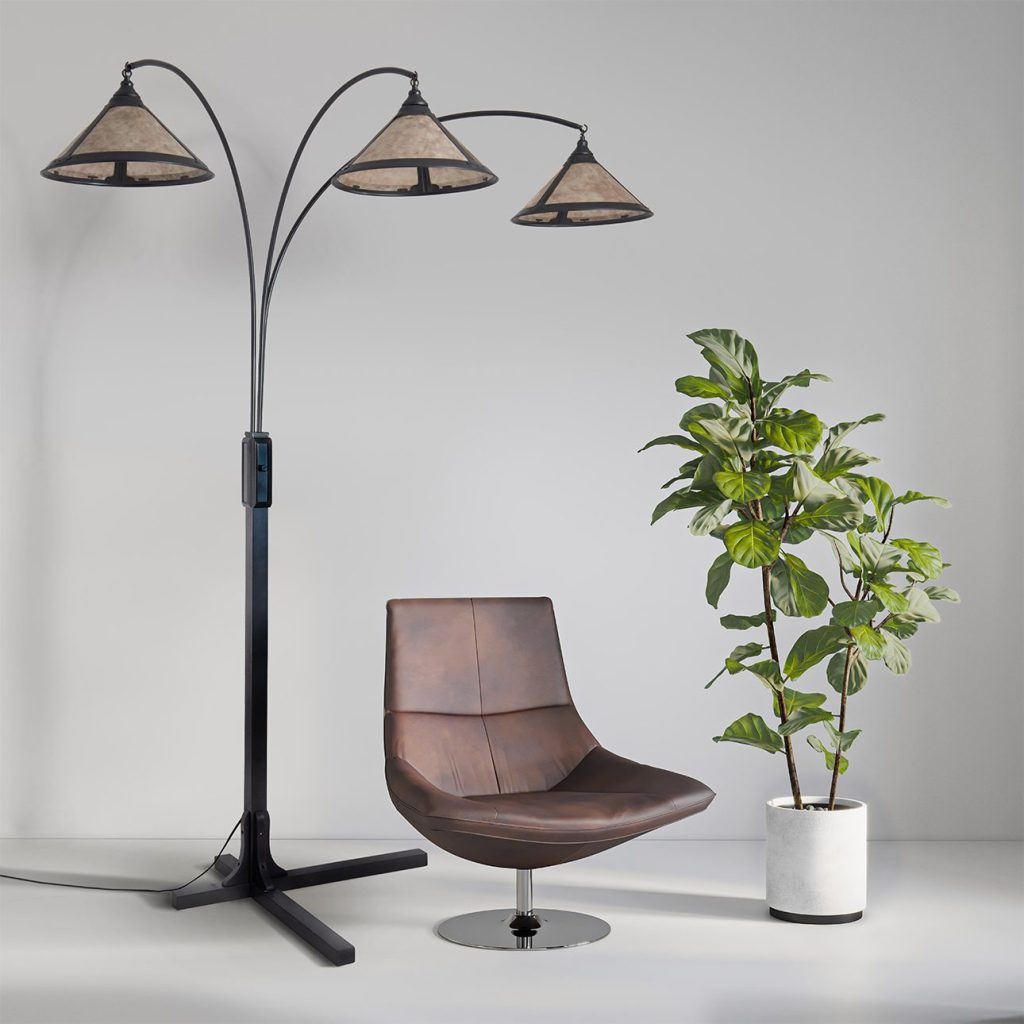
An arc floor lamp with 3 lights offers additional versatility compared to single-bulb models. These fixtures provide layered lighting options within one cohesive design.
Independent Control: Many multi-light models allow individual bulb control, letting you adjust the amount and direction of light based on current needs. Illuminate all three lights for bright, task-oriented lighting during activities requiring full visibility, or use just one or two bulbs for softer ambient lighting during relaxation.
Varied Positioning: Multiple light sources at different heights and angles create more complex, interesting lighting effects. This layering eliminates harsh shadows while providing adequate illumination across a broader area.
Design Impact: Three-light arc lamps make bold design statements, serving as sculptural focal points that command attention even when unlit. Their substantial presence works particularly well in larger living rooms or open-concept spaces where a single-bulb lamp might appear undersized.
Functional Zones: Different lights can serve different purposes simultaneously. Direct one light toward seating for reading, angle another toward artwork for accent lighting, and position the third for general ambient illumination, creating a complete lighting scheme within a single fixture.
Maintenance and Longevity
Quality arc lamps for living room use should provide years of reliable service with minimal maintenance. Understanding proper care ensures your investment remains functional and attractive.
Regular Cleaning: Dust accumulates on lamp arms, shades, and bases, diminishing both appearance and light output. Wipe metal components with a soft, dry cloth weekly. Clean fabric shades with a vacuum attachment or soft brush, and spot-treat stains according to the manufacturer’s guidelines.
Bulb Replacement: Replace burned-out bulbs promptly to maintain balanced illumination in multi-light fixtures. When replacing bulbs, ensure the lamp is unplugged and cooled completely. Use bulbs within the specified wattage range to prevent overheating and potential damage.
Structural Inspection: Periodically check all connections, joints, and the base for stability. Tighten any loose screws or fittings, and ensure the base remains level and secure. This simple maintenance prevents accidents and extends the fixture’s lifespan.
Cord Management: Keep power cords neat and secured to prevent tripping hazards. Use cord clips or covers to route cables along baseboards or under furniture. Avoid running cords under rugs or through doorways where repeated stress can damage insulation.
Budget Considerations and Value Assessment
Arc floor lamps span a wide price range, from budget-friendly options under one hundred dollars to designer pieces exceeding one thousand dollars. Understanding what drives these price differences helps you make value-conscious decisions.
Construction Quality: Higher-priced lamps typically feature superior materials, more refined finishes, and better construction techniques. A Nova of California arc lamp might cost more than generic alternatives, but the quality construction ensures years of trouble-free use and maintains its appearance over time.
Design Pedigree: Lamps designed by recognized names or manufactured by established lighting companies command premium prices. You pay for design expertise, brand reputation, and often better customer service and warranty coverage.
Features and Functionality: Adjustable heights, rotating arms, dimming capabilities, and multiple light sources add to manufacturing costs and retail prices. Evaluate which features you will actually use regularly to determine if the added expense provides genuine value for your situation.
Long-Term Economics: While cheaper lamps offer immediate savings, they may require replacement within a few years due to quality issues. Premium fixtures often prove more economical over their lifetime, providing better performance and lasting appeal that justifies the higher initial investment.
Safety Considerations for Arc Floor Lamps
The extended reach and overhead positioning of arc lamps create unique safety considerations that differ from traditional floor lamps.
Tip-Over Prevention: The most critical safety concern involves stability. Always place arc lamps on level surfaces where the base cannot be easily bumped or moved. In homes with young children, consider models with especially heavy bases or those that can be anchored to walls for additional security.
Heat Management: Although LED bulbs produce minimal heat, metal lamp arms and shades can become warm during extended use. Position lamps where people will not accidentally touch heated components, particularly important in homes with curious children.
Electrical Safety: Inspect cords regularly for damage, fraying, or exposed wires. Never use extension cords with high-wattage lamps, as this creates fire hazards. Ensure outlets are not overloaded, and consider using surge protectors for expensive fixtures.
Clearance Requirements: Maintain adequate clearance between lampshades and flammable materials like curtains, paper, or upholstery. Most manufacturers recommend at least six inches of clearance in all directions from the light source.
Environmental and Energy Efficiency
Modern consumers increasingly consider environmental impact when making purchasing decisions. Arc floor lamps can be eco-friendly lighting solutions when selected thoughtfully.
Energy-Efficient Bulbs: LED technology has made arc lamps dramatically more efficient than their incandescent predecessors. A typical arc lamp using three LED bulbs might consume less than 30 watts total while providing ample illumination, compared to 300 watts or more for equivalent incandescent lighting.
Sustainable Materials: Some manufacturers now offer lamps made from recycled metals, sustainably harvested woods, or other eco-friendly materials. These options allow environmentally conscious consumers to reduce their carbon footprint without sacrificing style or functionality.
Longevity Reduces Waste: Investing in quality fixtures that last decades rather than years reduces the volume of lighting products entering landfills. A well-constructed Nova arc floor lamp might serve your family for 20 years or more, preventing multiple cheaper replacements from becoming waste.
Reduced Lighting Needs: The efficient, targeted illumination provided by arc lamps can reduce the need for multiple fixtures, decreasing overall energy consumption while simplifying your lighting scheme.
Practical Examples of Arc Lamp Integration
Real-world applications demonstrate how strategic arc lamp placement transforms living spaces.
Small Apartment Solution: In a 500-square-foot studio apartment, a modern arc floor lamp positioned behind a sofa provides overhead lighting for the living area while keeping the limited floor space clear. The base tucks behind furniture, and the extended arm illuminates the entire seating zone without additional fixtures cluttering the small space.
Open-Concept Family Room: A three-light arc lamp defines the family room within a larger open space. Two lights direct toward the sofa for television viewing and reading, while the third angles toward adjacent areas, creating visual connection while maintaining functional separation between zones.
Reading Nook Transformation: A previously dark corner becomes a cozy reading retreat with the addition of a single arc lamp. The overhead positioning eliminates shadows on pages, while the sculptural form adds visual interest to the underutilized space.
Entertaining Enhancement: During evening gatherings, dimmed arc lamps create intimate atmosphere while providing enough light for guests to navigate safely. The adjustable nature allows hosts to modify lighting throughout the event as needs change from dinner to conversation to late-night socializing.
Future Trends in Arc Floor Lamp Design
The evolution of arc floor lamps continues as designers explore new materials, technologies, and forms.
Smart Technology Integration: Expect increasing integration with home automation systems, voice control, and smartphone apps. Future models may include sensors that automatically adjust brightness based on ambient light levels or occupancy.
Sustainable Innovation: Growing environmental consciousness will drive development of lamps made from recycled materials, renewable resources, and designed for easy disassembly and recycling at end of life.
Minimalist Aesthetics: The trend toward clean, uncluttered interiors favors arc lamps with simplified forms, hidden wiring, and seamless construction that appears almost sculptural in its purity.
Customization Options: Manufacturers may offer more modular designs allowing consumers to mix and match bases, arms, and shades to create personalized configurations that perfectly match their spaces and preferences.
Making the Right Choice for Your Living Room
Selecting the ideal arc floor lamp requires balancing aesthetic preferences, functional needs, and practical considerations.
Assess Your Space: Measure your living room carefully, noting ceiling heights, furniture arrangements, and existing lighting. Determine where an arc lamp would provide the most benefit, whether illuminating a reading chair, defining a conversation area, or highlighting architectural features.
Define Your Style: Identify your decorating style and select finishes and materials that complement existing furnishings. A cohesive design approach ensures your new lamp enhances rather than clashes with your current aesthetic.
Prioritize Features: Decide which features matter most for your situation. Do you need multiple lights, adjustable positioning, or dimming capability? Prioritizing must-have features helps narrow options and prevents overspending on unnecessary functionality.
Consider Long-Term Value: Think beyond immediate needs to how your lighting requirements might evolve. A versatile, quality fixture adapts to changing circumstances, providing value for years to come.
Frequently Asked Questions
What is the typical height of an arc floor lamp?
Most arc floor lamps stand between 65 and 80 inches tall, with the arching arm extending the light source another 30 to 50 inches horizontally from the base. This positions the light approximately 6 to 7 feet above the floor, similar to pendant lighting but without ceiling installation requirements.
How much weight can an arc floor lamp base typically support?
Quality arc lamp bases weigh between 15 and 30 pounds, providing sufficient counterweight for the extended arm and light fixtures. The base must be heavy enough to prevent tipping when the arm is fully extended, particularly important for lamps with multiple light sources.
Can arc floor lamps work in rooms with low ceilings?
Yes, arc floor lamps can function in rooms with low ceilings, though the effect differs from rooms with standard 8-foot or higher ceilings. In low-ceiling spaces, the arc extends more horizontally than vertically, still providing overhead illumination without requiring ceiling mounting. However, ensure adequate clearance between the shade and ceiling to prevent heat buildup and allow proper air circulation.
Do arc floor lamps require special electrical outlets or wiring?
No, arc floor lamps plug into standard electrical outlets and require no special wiring or electrical work. This portability represents one of their primary advantages over hardwired ceiling fixtures. However, ensure the outlet can handle the lamp’s wattage, particularly for multi-light models, and avoid using extension cords with high-wattage fixtures.
How do you clean fabric shades on arc floor lamps?
Clean fabric shades by first removing dust with a vacuum cleaner using a soft brush attachment. For deeper cleaning, spot-treat stains with a mild detergent solution and a soft cloth, working from the outer edges toward the center of the stain. Allow the shade to dry completely before illuminating the lamp. Some fabric shades may be removed for more thorough cleaning, but always check manufacturer instructions before attempting removal.
Are arc floor lamps safe around children and pets?
When properly selected and positioned, arc floor lamps can be safe in homes with children and pets. Choose models with heavy, stable bases that resist tipping. Position lamps where the base cannot be easily bumped, and teach children not to pull on cords or touch hot components. For maximum safety in homes with very young children, consider anchoring the base to the wall or floor using manufacturer-provided brackets or straps.
What is the average lifespan of a quality arc floor lamp?
A well-constructed arc floor lamp should last 15 to 20 years or more with proper care. The longevity depends on build quality, materials, and maintenance. Metal components and quality finishes withstand years of use, while moving parts like switches and dimmers may require occasional replacement. The lamp structure itself often outlasts multiple bulb technologies, adapting from incandescent to CFL to LED over its lifetime.
Can you replace the cord on an arc floor lamp?
In most cases, yes, the cord can be replaced by a qualified electrician or experienced DIYer. This repair extends the lamp’s life when cords become damaged or worn. However, the process requires some electrical knowledge and comfort working with wiring. If uncertain, consult a professional electrician to ensure safe, proper repair.
Do arc floor lamps work with dimmer switches?
Many arc floor lamps work with dimmer switches, either through built-in dimmers on the lamp itself or when plugged into dimmer-controlled outlets. However, bulb compatibility matters significantly. Ensure you use dimmable bulbs rated for the dimmer type, as standard LED bulbs may flicker or fail when used with dimmers designed for incandescent bulbs. Look for bulbs specifically marked as dimmable and compatible with LED dimmers.
How far should an arc floor lamp extend over furniture?
The ideal extension varies based on furniture size and lamp purpose. For reading lights over sofas or chairs, position the light source approximately 12 to 18 inches in front of the seating to eliminate shadows without glare. For ambient lighting over conversation areas, center the light over the furniture arrangement. For dining applications, center the light over the table, typically extending 36 to 48 inches from the lamp base.
Conclusion
Living room lighting shapes how we experience our homes, influencing mood, functionality, and aesthetic appeal. Arc floor lamps represent an elegant solution that combines practical illumination with sculptural design, offering versatility that traditional fixtures cannot match.
The Nova of California arc lamp and similar quality fixtures provide overhead lighting without ceiling installation, directional control without complex wiring, and design impact without overwhelming spaces. Whether you embrace mid century aesthetics, contemporary minimalism, or eclectic personal style, arc lamps adapt to your vision while serving essential lighting functions.
Successful integration requires thoughtful consideration of placement, coordination with existing lighting, and selection of appropriate styles and features for your specific needs. The investment in quality fixtures pays dividends through years of reliable performance, timeless design, and the flexibility to adapt as your needs and preferences evolve.
By understanding how lighting choices affect the way your living room feels, you gain control over one of the most influential elements in your home. The right arc floor lamp does more than illuminate, it transforms ordinary spaces into extraordinary environments where life’s most meaningful moments unfold.