Why Artificial Grass Is the Top Choice for Modern Sports Complexes
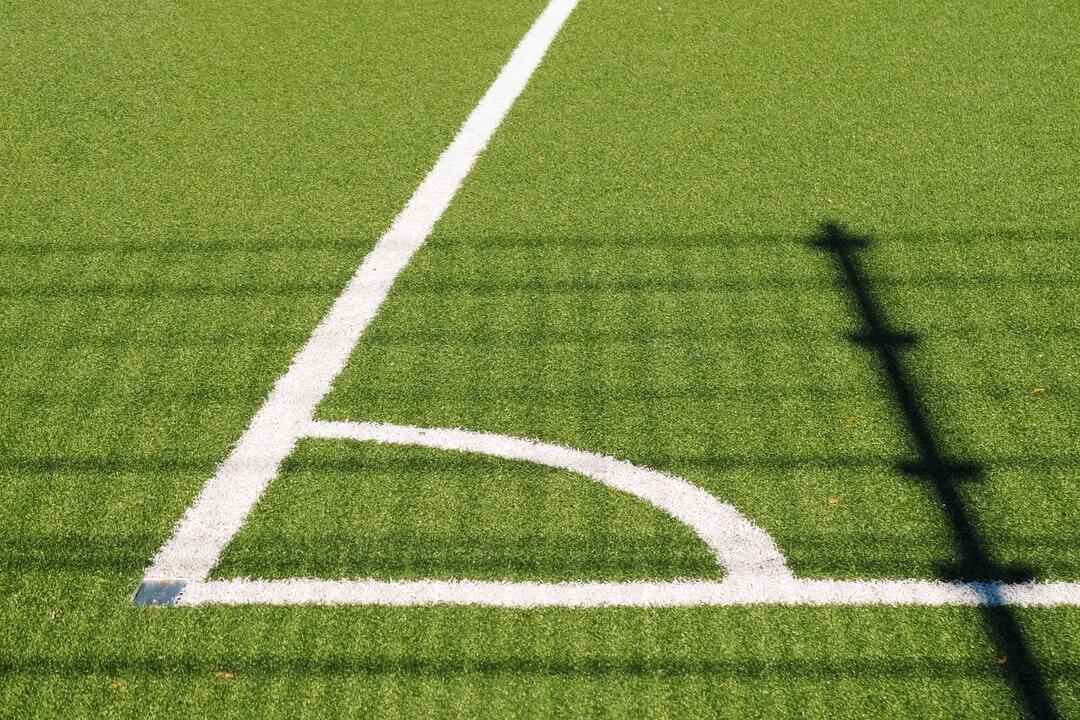
Morning light hits the field, and it looks perfect. No muddy spots. No worn patches. No long wait before the next game. Modern sports complexes are built for constant action, and the surface beneath the players matters more than ever.
Artificial grass has moved from a backup option to a first choice. It supports athletes, saves time, and keeps facilities running at full speed. There is more to this surface than meets the eye, and its rise is changing the game.
The Shift Toward Smarter Playing Surfaces
Sports complexes today face high demands. Fields must handle heavy use from many teams, events, and seasons. Natural grass struggles under this pressure. Artificial grass offers a smarter solution. It stays even and ready, no matter how often it is used.
This reliability helps facilities host more games and practices without worry. The shift is not just about looks. It is about performance and planning.
Consistent Play in All Conditions
Weather can be unpredictable. Rain can turn natural grass into mud, and heat can dry it out. Artificial grass stays consistent in many conditions. Water drains quickly, and the surface keeps its shape.
Players can trust their footing, which helps improve safety and confidence. Games are less likely to be delayed or canceled, which keeps schedules on track and fans happy.
Lower Maintenance, Higher Efficiency
Natural grass needs constant care. It must be mowed, watered, fertilized, and repaired. Artificial grass reduces this workload. There is no need for daily mowing or watering.
Maintenance teams can focus on cleaning and simple upkeep. This saves time and reduces long-term costs. Over time, these savings help sports complexes invest in other areas, such as equipment or fan amenities.
Built for Heavy Use
Modern sports complexes often host multiple sports and age groups. A single field may see hours of use each day. Artificial grass is designed to handle this level of activity.
It resists wear and keeps its structure even with frequent play. This durability makes it ideal for facilities that need dependable surfaces year-round without rest periods for regrowth.
Player Safety and Comfort
Safety is a top concern in sports. Artificial grass systems have improved greatly over the years. Many now include padding layers that help absorb impact.
The surface is even, which reduces the risk of trips and falls. Players often report a more stable feel underfoot. When paired with proper design, artificial grass can offer a balance of firmness and comfort.
Supporting Multi-Sport Use
One major advantage of artificial grass is its flexibility. The same field can be used for soccer, football, lacrosse, and training sessions. Lines can be painted or added temporarily without harming the surface.
This flexibility allows sports complexes to serve more teams and events. A single installation can meet many needs, making space use more efficient.
Environmental Considerations
Artificial grass can also support environmental goals. It does not require regular watering, which saves large amounts of water each year. It also reduces the need for chemicals like fertilizers and pesticides.
While production and disposal matter, many systems are now designed with recycling in mind. For facilities focused on sustainability, this balance can be appealing.
Visual Appeal That Lasts
First impressions matter. Artificial grass offers a clean, green look throughout the year. There are no brown patches or bare spots. This consistent appearance is important for professional venues, schools, and community centers.
A well-kept field reflects pride and care, which can attract events and partnerships. It also creates a better experience for players and spectators alike.
Performance You Can Plan Around
Coaches and athletes value predictability. Artificial grass provides a surface that plays the same day after day. Ball movement, footing, and bounce stay consistent.
This helps athletes to train with confidence and reduces surprises during games. For facilities focused on high-level play, having quality turf for sports fields becomes part of long-term success.
Faster Turnaround Between Events
Natural grass fields often need recovery time. Artificial grass does not. Fields can host back-to-back games or events with little downtime. This fast turnaround helps maximize field use.
It also supports tournaments and large events that bring many teams together. More use means more value from the same space.
Cost Planning Made Easier
While artificial grass has a higher upfront cost, long-term planning is often simpler. Maintenance expenses are more predictable. Water bills drop, and repair schedules are easier to manage.
Over the life of the field, many complexes find the investment balances out. Clear cost planning helps managers make informed decisions.
Technology Behind the Surface
Modern artificial grass is the result of careful design. Fibers are shaped to support movement and reduce heat buildup. Infill materials are chosen for stability and comfort.
Drainage systems are built into the base. Each layer works together to create a safe and durable surface. This technology continues to improve as research grows.
Community Access and Availability
Artificial grass helps communities stay active. Fields can remain open longer and host more programs. Schools, clubs, and local leagues all benefit from greater access. When fields are available more often, participation increases. This supports health, teamwork, and community connection.
A Surface That Matches Modern Needs
Sports have changed, and so have expectations. Facilities must be flexible, reliable, and ready at all times. Artificial grass meets these needs with consistency and strength. It supports busy schedules and diverse users. As demands grow, surfaces must keep up without compromise.
Long-Term Value for Growing Facilities
As sports programs expand, facilities must think years ahead. Artificial grass supports long-term growth by reducing downtime and repair needs. Fields stay open more often, which allows complexes to host new leagues, camps, and events.
This steady availability helps build revenue and strengthens community engagement. Over time, the surface becomes not just a field, but a reliable asset that grows with the facility.
Where Performance Meets Progress
Artificial grass has earned its place in modern sports complexes. It offers steady play, strong design, and smart use of resources. More than just a surface, it is a foundation for progress. As technology and sports continue to evolve, artificial grass stands ready, shaping fields where athletes can perform, compete, and grow.