Is Smart Glass the Future of Sustainable Architecture?
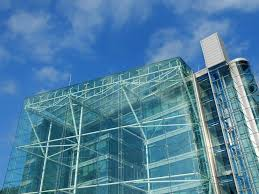
Buildings use a considerable share of the world’s energy and account for a significant portion of carbon emissions related to heating, cooling, and lighting. Architects and engineers are constantly exploring materials and technologies to make structures less resource-intensive over their lifetimes. One candidate gaining increasing attention as part of sustainable building strategies is smart glass, a dynamic glazing technology that responds to its environment rather than behaving like conventional static windows.
What Is Smart Glass and How Does Work
Smart glass refers to glazing systems that alter their optical properties in response to electrical stimuli, light levels, or temperature changes. Traditional windows let in the same amount of light and heat throughout the day. Smart glass, by contrast, can change its tint or translucency to block or admit sunlight on demand. One well-studied mechanism that enables this is electrochromism, in which certain materials change color or opacity when a small voltage is applied, controlling the amount of solar radiation that enters a building.
Various types of smart glass exist. Electrochromic glass changes tint slowly over minutes and retains its state with minimal energy input, while liquid-crystal and suspended-particle devices offer more rapid shifts in transparency. These systems can be automated and even tied into building management systems to improve efficiency.
Energy Efficiency and Climate Performance
A major reason smart glass draws attention in sustainable architecture is its potential to reduce energy consumption. By actively responding to changing sunlight, smart glass can limit heat gain in the summer and reduce heat loss during winter. This lessens the load on
heating, ventilation, and air conditioning systems, which are often among the largest energy draws in a building. The ability to control natural light also reduces reliance on artificial lighting during the day.
In practice, this translates into lower operational energy use and a smaller greenhouse gas footprint compared with structures that rely on conventional glazing. Some studies suggest that buildings with advanced smart glazing could achieve net-zero energy performance more readily by integrating these materials into a broader design strategy.
More Than Energy Savings: Comfort, Health, and Design
Smart glass is not simply about energy metrics. It also influences indoor comfort and well-
being. Variable transparency can reduce glare while preserving views, creating pleasant interior environments that harness daylight without its drawbacks. Better control over thermal comfort improves occupant satisfaction and may boost productivity in workplaces or comfort in homes.
Designers increasingly treat glass not just as a window but as a multifunctional material. In some projects, expansive glazing is paired with features such as adjustable light glass shelves to distribute natural light deep into the interior while managing heat gain. Smart glass adds another dimension to these approaches by modulating light dynamically rather than relying solely on passive geometry.
Challenges and Practical Considerations
Despite the promise, widespread adoption of smart glass in architecture faces real challenges. The upfront cost remains higher than that of conventional glazing, even if long term energy savings and reduced operational costs may offset this over time in many climates. Installation and integration require planning, and not all buildings justify the premium based on location, orientation, or use.
Furthermore, different smart glass technologies vary in performance. Some types work best in specific climates, while others have limitations in clarity or switching speed. Research continues to refine materials and manufacturing to improve clarity, durability, and affordability.
Integration With Broader Sustainability Goals
Smart glass technology fits within a broader movement toward sustainable building design, which includes passive solar strategies, high-performance insulation, and renewable energy integration. It is one tool among many that, when thoughtfully applied, can lower energy demand and reduce reliance on fossil fuels. For instance, combining smart glazing with photovoltaic glazing could allow façades not just to regulate energy flows but also to generate power, further advancing sustainability aims.
Smart glass is more than a futuristic novelty. It offers tangible benefits that align with the evolving priorities of sustainable design, including energy conservation, occupant wellbeing, and adaptability. Barriers remain, and further innovation is needed before it becomes standard across all building types. However, as materials science, automation, and design converge, smart glass is positioned to play a significant role in the architecture of tomorrow, especially for projects prioritizing energy performance and environmental impact.
read more : 5 Things Motorcyclists Need to Know to Avoid Getting Into Accidents