Commercial Plumbing Maintenance Checklist For Safer, Smoother Business Operations In 2026
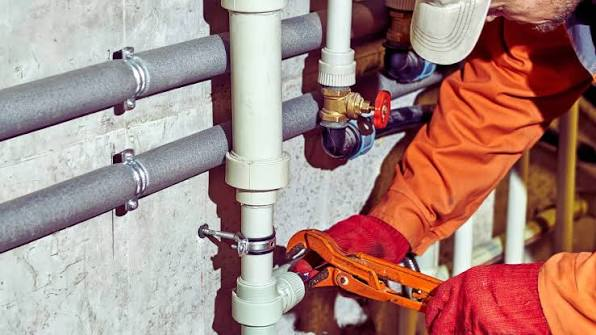
Key Takeaways
- Routine checks can uncover leaks, clogs, pressure concerns, and equipment wear before they interrupt operations.
- Maintenance schedules should reflect the building type, water demand, equipment, and local requirements.
- Water-use records, clear labels, and detailed service notes make problems easier to identify and manage.
- Backflow devices, drains, water heaters, pumps, and shutoff valves all need planned attention.
Commercial properties depend on plumbing systems that support employees, tenants, visitors, customers, kitchens, restrooms, production areas, and mechanical equipment. A practical maintenance checklist helps facility teams reduce avoidable surprises and know when to contact a commercial plumbing contractor in Maryland for work beyond routine staff observations. A small drip or slow drain can seem minor in a busy building, but it can lead to water damage, unpleasant odors, customer complaints, equipment disruption, or a closed restroom or work area. Preventive maintenance cannot eliminate every plumbing emergency, but it gives teams a better chance to catch warning signs early and respond with a clear plan.
Why Commercial Plumbing Maintenance Needs A Set Schedule
Commercial plumbing typically serves more fixtures, more occupants, longer pipe runs, and heavier demand than a residential system. Restaurants may face grease and food waste concerns; medical facilities may require specialized fixtures; warehouses may rely on floor drains and utility sinks; and offices may need reliable restrooms across several floors. Waiting for a visible failure is usually more disruptive than scheduling inspections around normal operations. Start by treating maintenance as an operating routine rather than a reaction to complaints. Assign daily observations to on-site staff, schedule monthly and quarterly walkthroughs, and reserve technical or regulated tasks for qualified professionals. This approach also makes budgeting easier because recurring issues and aging equipment are documented before they become urgent. For water-use tracking and leak detection support, facility teams can use the U.S. Environmental Protection Agency’s WaterSense tools for commercial and institutional facilities. Reviewing meter readings and utility usage over time can reveal unusual changes, seasonal patterns, hidden leaks, and equipment using more water than expected.
Build A Property-Specific Maintenance Plan
A useful checklist begins with a simple plumbing map. List each building, floor, restroom, kitchen, mechanical room, exterior service area, and high-use zone. Mark the main water shutoff, branch shutoffs, cleanouts, backflow devices, water heaters, pumps, and meters. Keep the map available to maintenance personnel and update it after renovations.
- Record the age, make, model, condition, and service history of major equipment.
- Identify areas with heavy drain loads, frequent restroom use, food preparation, laundry, or production processes.
- Label shutoff valves clearly and keep access to valves and mechanical rooms unobstructed.
- Review local health, building, plumbing, and backflow inspection requirements.
- Assign responsibility for reporting, documentation, scheduled checks, and emergency response.
A Monthly Commercial Plumbing Checklist
Monthly checks should focus on visible conditions and the normal operation of fixtures. Staff should not open sealed equipment, alter electrical controls, or perform regulated repairs unless they are trained and authorized to do so.
- Look for dripping faucets, running toilets, wet flooring, damp cabinets, water stains, and mold-like odors.
- Inspect exposed pipes for corrosion, staining, loose fittings, damaged insulation, or signs of leakage.
- Run sinks, toilets, urinals, and visible floor drains to identify slow flow, gurgling, or poor drainage.
- Listen for water hammer, unusual pipe noise, constant filling, or pumps that cycle more often than normal.
- Compare water bills and meter readings with prior periods, accounting for occupancy or production changes.
- Photograph problems and record the location, date, condition, and action requested.
Quarterly Checks For Drains, Fixtures, And Valves
Quarterly reviews provide a closer look at components that may still be working but are beginning to fail. Inspect floor drains for standing water, buildup, sewer odors, and slow drainage. Check cleanouts and accessible pipe connections for signs of overflow or leakage. Test accessible fixture shutoff valves carefully to confirm they can operate in an emergency. Also, inspect flush valves, sensor fixtures, supply lines, and faucets for inconsistent operation. Repeated clogs deserve more attention than a quick plunger or temporary drain treatment. A pattern may point to scale, grease accumulation, damaged piping, poor venting, or an obstruction farther down the line. A professional may recommend scheduled drain cleaning or a camera inspection for recurring problem areas.
Water Heater And Pump Maintenance
Water heaters, booster systems, sump pumps, sewage pumps, and related controls should be part of the maintenance calendar. Check for leaks, corrosion, temperature concerns, unusual sounds, vibration, and restricted service clearances. Confirm that alarms, sensors, and backup systems are functioning as intended, then record repair history to support replacement planning. Manufacturer instructions should guide servicing intervals and procedures. The
Backflow Prevention And Water Quality Checks
Backflow occurs when water moves in the opposite direction from its intended path, potentially allowing contaminants to enter the potable water supply through a cross-connection. Facilities should maintain a current list of backflow devices, their locations, installation dates, test dates, and required records. Local rules may require testing, certification, repairs, or installations to be completed by qualified professionals. Review requirements with the local water provider or authority having jurisdiction.
Seasonal Checks For Commercial Properties
Before Cold Weather
Inspect exposed pipes in unheated rooms, loading areas, garages, exterior walls, and vacant spaces. Repair damaged insulation, confirm that heat reaches vulnerable plumbing areas, and review shutoff procedures with staff before freezing temperatures arrive.
Before Heavy Rain And Storm Season
Clear visible leaves, trash, and sediment from storm drains, catch basins, grates, and drainage paths. Test drainage pumps and backup power where applicable. Watch for standing water near foundations, entrances, and service areas, since poor drainage can affect both safety and building conditions.
During High-Use Periods
Increase restroom, kitchen, laundry, and food-service checks during busy seasons, special events, or peak shifts. Respond promptly to recurring odors, weak pressure, slow fixtures, and sudden changes in hot-water availability.
Warning Signs That Need Prompt Attention
- A water bill rises without a clear increase in occupancy, irrigation, or production.
- Multiple fixtures have weak pressure, slow drainage, gurgling, or sewer odors.
- Ceilings, walls, flooring, or cabinets show water stains or dampness.
- Fixtures continue running, hot water runs out unusually fast, or pumps cycle excessively.
- A drain repeatedly clogs after temporary clearing.
What Staff Can Check And What Requires A Professional
Staff-level tasks include visual inspections, basic fixture checks, meter and bill reviews, documentation, and keeping access areas clear. Qualified help may be needed for backflow testing, gas-connected water-heating equipment, electrical pump controls, pressurized line repairs, sewer camera work, major drain cleaning, excavation, and pipe replacement.
How To Keep Better Records And Avoid Common Mistakes
Create one consistent record for each building, floor, or plumbing zone. Use the same names for rooms, fixtures, valves, and equipment. Record the date, observed condition, action taken, responsible person, and photos when useful. Track repeat issues, set reminders for seasonal inspections and required testing, and review records during budget planning. Avoid relying on a residential checklist for a complex facility, ignoring slow drains because they still function, leaving valves unlabeled, or treating temporary repairs as final solutions. In 2026, the most practical action plan is simple: map the system, begin monthly observations and water tracking, schedule quarterly reviews, prepare for seasonal risks, confirm required testing dates, and replace equipment that repeatedly fails.
Conclusion
A commercial plumbing maintenance checklist works best when it becomes part of normal building operations rather than an occasional task. Consistent observations, seasonal preparation, accurate records, and timely professional service can help businesses limit disruption, protect property, and make better maintenance decisions. Scheduling routine inspections, documenting recurring issues, and addressing minor leaks or drainage problems early may reduce the risk of costly emergency repairs and unexpected downtime. Reviewing maintenance records over time can also help identify patterns, prioritize upgrades, and improve long-term budgeting. A proactive approach supports more reliable plumbing performance, helps extend the lifespan of building systems, and contributes to safer, more efficient day-to-day facility operations.