The Rise of Blockchain Communities
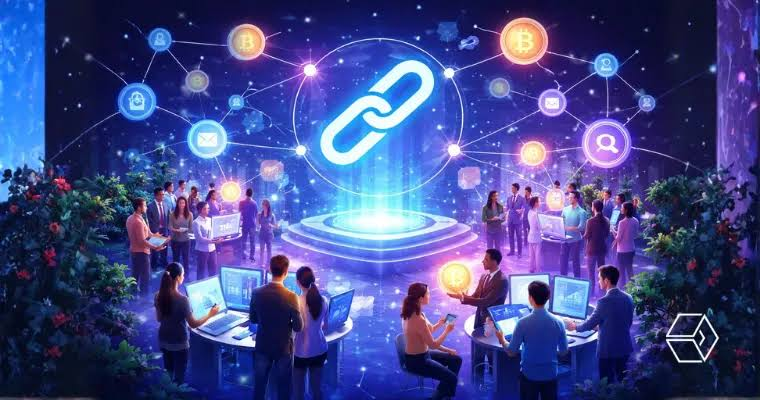
Blockchain technology started as the foundation of digital currencies, but it has grown into something much larger. Today, blockchain supports online communities where people can build, share, invest, vote, and create together. These groups are changing how people connect on the internet.
Traditional online communities usually depend on one company or platform. The company controls the rules, user data, content, and payments. Blockchain communities work differently. They often give members more ownership, stronger voting rights, and direct access to digital assets.
What Are Blockchain Communities?
Blockchain communities are groups of people connected through a shared blockchain project, platform, token, or digital goal. Members may include developers, investors, artists, gamers, collectors, business owners, and regular users.
These communities often communicate through social media platforms, forums, messaging apps, and virtual events. However, blockchain tools add new features to the experience. Members may own tokens, collect digital items, vote on proposals, or receive rewards for their work.
A person does not always need technical knowledge to join. Many communities welcome people who can create content, manage discussions, design graphics, test products, or support new members.
Why Blockchain Communities Are Growing
One major reason for their growth is the idea of ownership. On traditional platforms, users may spend years building profiles and audiences without owning the platform itself. In blockchain communities, users may own tokens or digital assets connected to the project.
This ownership can make members feel more involved. They are not only viewers or customers. They may become contributors, voters, collectors, or partners in the project.
Blockchain communities also attract people because they are global. A developer in one country can work with an artist in another country. They can exchange value and complete transactions without using a traditional banking system for every step.
The Role of Digital Identity
Digital identity plays an important role in blockchain communities. People often use profile pictures, usernames, digital collectibles, or blockchain-based domains to show who they are online.
Some users choose serious professional images, while others prefer gaming characters, pixel art, animals, or trendy pink avatars. These visual identities help users express their personality and connect with others who share similar interests.
In some communities, a digital collectible can also work like a membership pass. It may provide access to private chats, special events, voting systems, products, or future rewards. This makes digital identity both personal and practical.
Community Ownership and Governance
Many blockchain projects use community governance. This means token holders can vote on decisions about the project. These decisions may cover funding, product updates, partnerships, platform rules, or future development.
A decentralized autonomous organization, often called a DAO, is one common governance model. A DAO uses blockchain-based rules and voting tools to organize a group. Members can submit ideas and vote on proposals.
This system gives people a direct role in decision-making. However, it also creates challenges. Some members may hold more tokens than others, which can give them more voting power. Projects must design fair systems to avoid control by a small group.
Creators and Blockchain Communities
Artists, musicians, writers, video makers, and designers have found new opportunities through blockchain communities. They can sell digital work, build membership groups, and communicate directly with supporters.
In the past, creators often depended on large platforms to reach an audience. Those platforms could charge fees, change algorithms, or limit access. Blockchain tools may allow creators to build stronger relationships with their supporters.
Creators can also reward loyal members. For example, they may offer special content, early access, digital collectibles, event tickets, or community voting rights.
Gaming and Virtual Communities
Blockchain gaming has also helped these communities grow. Players may own game items such as characters, weapons, land, clothing, or badges. These items can exist as blockchain-based assets.
Ownership can make gaming more interactive. Players may trade items, join teams, enter tournaments, or take part in decisions about the game’s future. Some communities also create guides, fan art, live streams, and support groups.
Virtual worlds take this idea further. Users can attend events, visit digital spaces, display collectibles, and meet people from different countries. These experiences combine entertainment, identity, business, and community.
The Importance of Trust
Trust is a major part of every blockchain community. Blockchain records can make transactions easier to verify, but technology alone cannot prevent every problem.
Members still need to research projects carefully. Scams, fake accounts, poor management, and unrealistic promises can damage a community. A strong project should communicate clearly, protect users, and explain risks honestly.
Healthy communities also need active moderators. They help answer questions, stop spam, manage conflict, and create a welcoming environment.
Common Challenges
Blockchain communities face several challenges. Some platforms are difficult for beginners to use. Wallets, private keys, transaction fees, and security steps may feel confusing.
Market changes can also affect community activity. When token prices rise, interest may grow quickly. When prices fall, some members may leave. Strong communities need a purpose beyond short-term profit.
Another challenge is regulation. Governments continue to develop rules for digital assets, online ownership, taxes, and consumer protection. Projects must follow legal requirements while continuing to innovate.
The Future of Blockchain Communities
The future of blockchain communities may include easier tools, better security, and stronger links with social media, gaming, education, and business. Users may be able to move their identities and digital assets across different platforms.
More companies may also use blockchain communities for loyalty programs, customer voting, memberships, and product development. Schools, charities, and professional groups may use similar systems to organize members and manage resources.
The most successful communities will likely focus on real value. They will offer useful services, fair governance, clear communication, and meaningful ways for members to take part.
Final Thoughts
The rise of blockchain communities shows that people want more control over their digital lives. They want to own assets, support creators, join global groups, and help shape the platforms they use.
Blockchain does not automatically create a strong community. People create it through trust, teamwork, shared goals, and regular participation. As the technology becomes easier to use, these communities may become an important part of the future internet.